
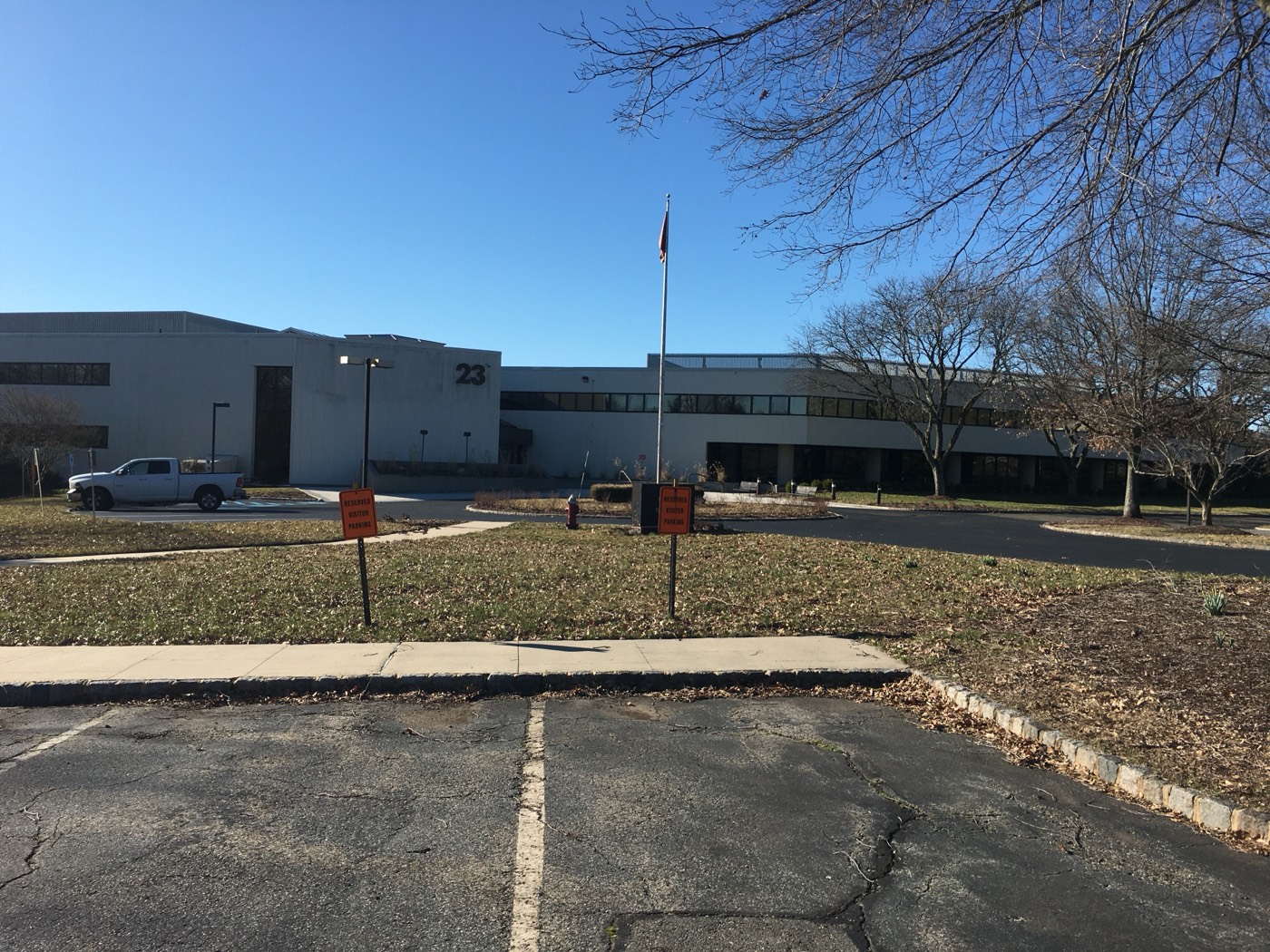
Drive north from Princeton on Route 206 and the farmland gives way to glass office parks, then to subdivisions with three-car garages and basketball hoops nobody uses, because the children are at robotics. This is Skillman, the postal name for most of Montgomery Township, and over two decades the Indians in Skillman have turned a quiet Somerset County township into one of the densest concentrations of Indian professional life in central New Jersey.
The Place
Skillman is not really a town. It is a ZIP code, 08558, that covers roughly half of Montgomery Township’s 32 square miles in the southern tip of Somerset County, just over the line from Princeton. The actual census hamlet of Skillman holds a few hundred people. The name on the envelopes covers some 23,000.
The township was farmland for most of its history. It was once Lenni Lenape land, settled by Dutch and English families after 1702, and named for General Richard Montgomery. The Skillman name came later, in the 1870s, when the railroad arrived and a section took the name of a local family who had bought 500 acres on the Millstone River back in 1729.
What it became is one of the wealthiest places in New Jersey. By 2023 the median household income in Montgomery had reached roughly $223,000, and in 2020 it ranked second statewide among municipalities of any size. The pull is the same one that has reshaped suburb after suburb in this corridor: Princeton money, pharmaceutical jobs, and schools that parents will reorganise an entire life to reach.
How It Became Indian
The corporate corridor
Montgomery’s growth was an overflow from Princeton. As the university town and its research economy expanded, the suburban edge pushed north into the township’s open fields. Between 2000 and 2010 the population jumped by nearly 82 percent, one of the fastest expansions in the state.
The jobs came first. Skillman’s stretch of Route 206 and Orchard Road filled with corporate campuses. Johnson & Johnson built its Baby Products research centre in Skillman in 1976, a presence that anchored the area for decades before the consumer division spun off into Kenvue. Bloomberg keeps offices here. The wider Princeton ring holds Bristol Myers Squibb, the Educational Testing Service, and a dense cluster of pharmaceutical and research employers.
That industry mix is precisely the one that draws Indian professional migration. Pharma research, data, finance, and academia all reward the engineering and science degrees that have defined the post-1990s Indian wave into the United States. A family could work in Princeton or along Route 1 and live, affordably by the standards of the immediate Princeton borough, a few exits up 206.
The school decision
Ask residents why they came and the answer is almost always the same word: schools. The Montgomery Township School District, headquartered on Route 601 in Skillman, became the magnet.
Montgomery High School has sat near the top of New Jersey’s public rankings for years, ranking around 25th of more than 400 high schools in the state and in the national top 10 percent. It graduates 97 percent of its students against a state average in the mid-80s. For families weighing a move, that record functioned as a promise.
The arithmetic shows in the classrooms. By the mid-2020s Montgomery High School was about 55 percent Asian, a majority of the student body, with Indian and Chinese families making up most of that share. A school that two decades earlier had been overwhelmingly white had been remade by exactly the families chasing its reputation.
Belle Mead and the tipping point
The clearest measure of the change is Belle Mead, the hamlet inside Montgomery on the 08502 side. In 2010 the Census counted four Asian Americans living there. A decade later, Asian Americans made up a majority of its roughly 5,500 residents, a swing the Census Bureau identified as the fastest-growing Asian population of any community in the country.
That is not gradual settlement. It is chain migration moving at speed: one family arrives, the schools and the commute check out, and word travels through professional and family networks until a street that was empty of Indian neighbours becomes full of them. Holi and Lunar New Year celebrations now close off neighbourhood streets, and a township park holds a cricket pitch built to international standards.
The texture of community life moved onto WhatsApp. Residents coordinate roof repairs, garden plantings, and block parties on group chats, the same digital infrastructure that knits together Indian neighbourhoods from the families in Plainsboro to those further up Route 287. Montgomery’s version is simply newer and faster, built in a single decade rather than three.
A professional, not a working, migration
The Indians who settled Skillman did not arrive to open shops or staff restaurants. They arrived as engineers, scientists, doctors, and financial professionals, many on H-1B visas that converted to green cards and citizenship over the long climb. Nick Barot, a Montgomery resident who works for a pharmaceutical company, is a representative figure: mid-career, suburban, settled.
This sets Skillman apart from the older Indian centres of the state. The community in Iselin, with its Oak Tree Road sari shops and sweet stalls, grew as a commercial main street. Skillman has no Indian high street of its own. Its Indian character lives in the schools, the home cooking, the temple drives, and the WhatsApp threads rather than in a strip of storefronts.
The Landmarks
Montgomery High School, 1016 Route 601, Skillman. The institution that built the township’s modern reputation and, with it, drew the Indian families now filling its halls. Its top-tier rankings and 97 percent graduation rate are quoted in real-estate listings the way square footage is, and a majority-Asian student body now sits at the centre of township life.
Montgomery Shopping Center, 1325 Route 206, Skillman. The township’s main retail anchor, a 155,000-square-foot centre fronted by a ShopRite. It is the everyday crossroads where Indian families do the week’s shopping, and its run of restaurants reflects the demographic that now surrounds it.
The Mango Tree Indian Cuisine, 2311 Route 206, Belle Mead. One of the township’s own Indian kitchens, serving North Indian, South Indian, and Indo-Chinese dishes from gongura chicken biryani to Malabar mutton curry and crisp dosas. In a community with no Indian high street, an upscale local restaurant like this becomes the gathering room for birthdays and weekend dinners.
Montgomery Hindi School, Burnt Hill Road, Skillman. A weekend language school teaching Hindi, Telugu, Gujarati, and other tongues to second-generation children. It is the institution that does the quiet work of holding language across a generation born in New Jersey, the kind of effort that decides whether grandparents and grandchildren can still talk in the mother tongue.
Diwali Festival at the Montgomery Farmers Market. The township’s open-air celebration of the festival of lights, with diya painting and rangoli, organised in cooperation with local groups. That a New Jersey farmers market now keeps a Diwali date on its calendar is the plainest sign of how thoroughly the community has folded into civic life. The Montgomery Business Association sends its own Diwali greetings each year.
Sri Venkateswara Temple, 1 Balaji Temple Drive, Bridgewater. The great South Indian Balaji mandir of central New Jersey, opened in 1998 with 16 shrines and a cafeteria serving dosa and idli. It sits north up the county, and for many Skillman Telugu and Tamil families the drive there for weekend darshan and festival days is a fixed part of the calendar.
Sourland Mountain Preserve, Montgomery Township. The wooded ridge along the township’s western edge, laced with hiking trails and protected open space. The fight to preserve land like this against Princeton’s spreading development shaped the township the Indian families bought into, and the trails are now weekend ground for the same households.
Where They Came From
The Indian families of Skillman come from across the subcontinent, but the weight sits with the professional-class states that have fed the American tech and pharma pipeline: Telugu speakers from Andhra Pradesh and Telangana, Tamils from the south, and Gujaratis whose presence shows in the township’s business networks and the Diwali calendar.
The presence of Telugu and Gujarati instruction at the weekend language school is a fair map of the community’s makeup. These are largely first-generation immigrants who arrived as adults for graduate study or skilled work, then put down roots once children and the school question arrived.
What unites them is less a single region than a single trajectory: a science or engineering degree, a visa, a corporate or research job in the Princeton orbit, and a deliberate choice of one of the best school districts in New Jersey. The same logic that built the Indian community in Princeton itself, and the families gathered around Bridgewater, runs straight through Skillman.
Skillman Today
Skillman today is a township where the Indian community is no longer arriving but established. The high school has been majority-Asian for years. The Diwali festival is on the municipal calendar. The grocery run, the temple drive, and the weekend language class are simply how a large share of households spend their week.
It is also a community defined by pressure as much as success. Montgomery’s schools are known, in the words of one former student, for an academically competitive environment “in good and bad ways.” The same intensity that lifts the rankings sits heavily on the children who carry them, and that tension is a live conversation in many Indian households here.
The older anchors are shifting. Johnson & Johnson’s consumer business has become Kenvue, and the corporate map of Route 206 keeps changing. But the families remain, and a second generation raised on Montgomery cricket pitches and robotics teams is now coming of age. Whatever Skillman becomes next, it will be built partly by them.
Frequently Asked Questions
Where is Skillman, New Jersey?
Skillman is the postal name, ZIP code 08558, for much of Montgomery Township in the southern tip of Somerset County, just north of Princeton. It is not a separate town but a section of the township, served by the Skillman post office.
Why do so many Indian families live in Skillman?
The Indians in Skillman are drawn primarily by the Montgomery Township schools, which rank among the best in New Jersey, and by professional jobs in the surrounding Princeton pharmaceutical, research, and finance economy. The combination of strong schools and nearby skilled work makes it a magnet for Indian families.
How large is the Indian and Asian community in Montgomery Township?
Asian Americans made up about 26 percent of Montgomery Township in the 2010 Census and a larger share since, with Indian and Chinese families the two largest groups. Montgomery High School is roughly 55 percent Asian, and nearby Belle Mead recorded the fastest-growing Asian population of any US community over the 2010s.
Is there a Hindu temple near Skillman?
The major temple for the area is the Sri Venkateswara Temple, a South Indian Balaji mandir at 1 Balaji Temple Drive in Bridgewater, opened in 1998 with 16 shrines. Many Telugu and Tamil families in Skillman drive there for weekend worship and festivals.
Where can you find Indian food and groceries in the Skillman area?
The Mango Tree Indian Cuisine on Route 206 in Belle Mead serves North and South Indian food within the township, and the Montgomery Shopping Center on Route 206 is the main retail hub. Patel Brothers and other Indian grocers serve the wider Princeton corridor a short drive away.
How is Skillman different from Princeton or Plainsboro?
Skillman is a newer, faster Indian settlement than its neighbours and lacks an Indian commercial main street. Its Indian character lives in the schools, temples, festivals, and home life rather than in a row of shops, distinguishing it from older centres like Iselin while complementing the established communities in Princeton and Plainsboro.
If your family’s story passed through Skillman, or any of the places Indians have made home in America, Atlas of Home can trace that journey. From a university town in Andhra or a workshop in Gujarat, to a Montgomery cul-de-sac off Route 206, to wherever you are now.