
On a Saturday morning on Tylersville Road, the queue at Patel Brothers spills toward the parking lot: families weighing okra and curry leaves, a grandmother inspecting a sack of Sona Masoori rice, teenagers in William Mason High School hoodies translating prices for their parents. This is the everyday texture of the Indians in Mason, Ohio, a community that has quietly made this Cincinnati suburb one of the most South Asian places in the Midwest.
Mason is not the kind of name that comes up when people picture Indian America. It is not Edison, not Cupertino, not Houston. Yet a third of the children in its celebrated public schools are now Asian, most of them of Indian descent, and the town has rearranged itself around them: the grocers, the dosa counters, the temple half an hour south, the cricket pitches that fill on summer evenings.
The Place
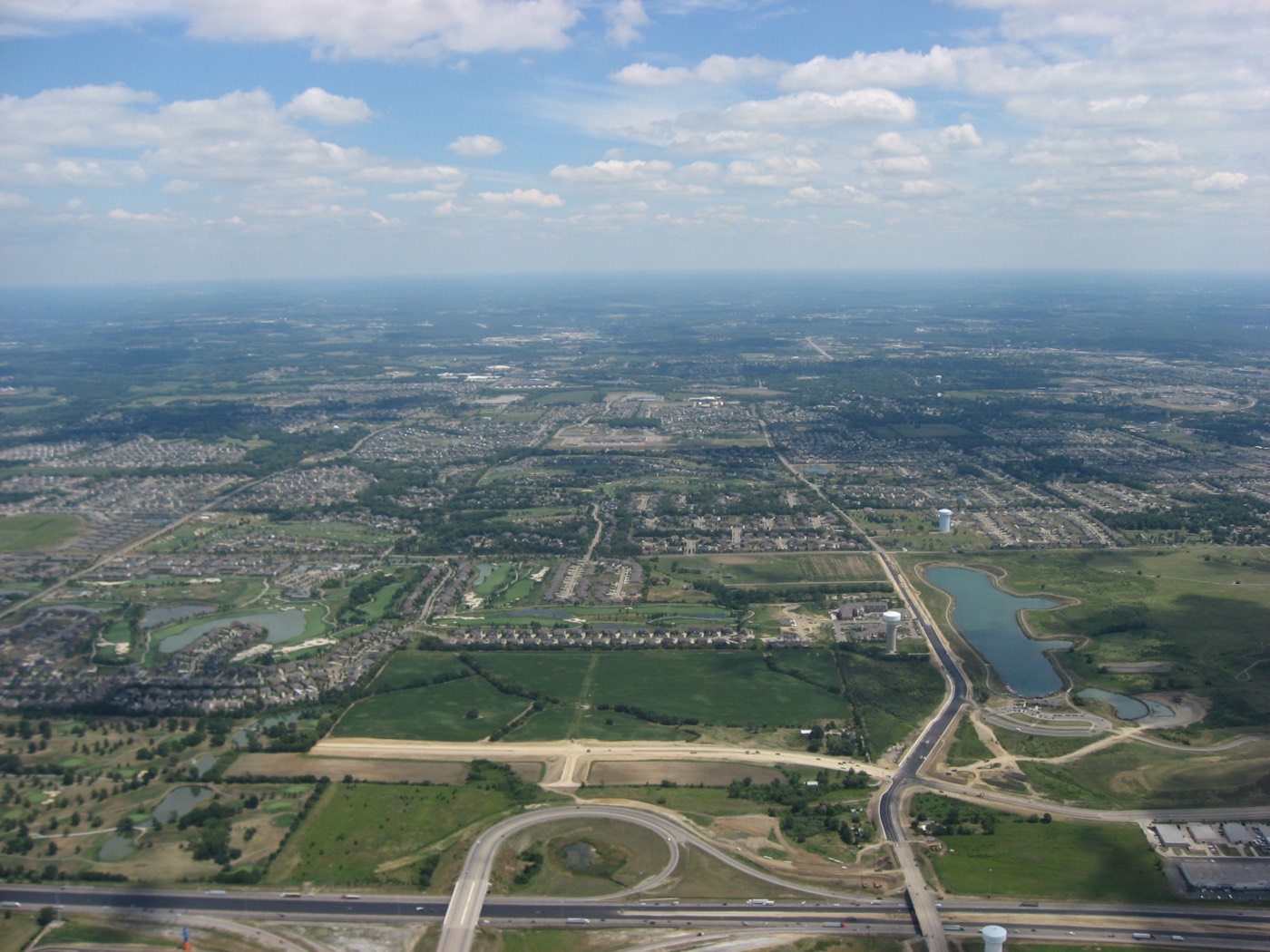
Mason sits in Warren County, about thirty minutes north of downtown Cincinnati, just off Interstates 71 and 75. For most of its life it was a small farming village. A Revolutionary War veteran named William Mason bought 640 acres here at auction in 1803 and platted a settlement he first called Palmyra, renamed Mason by 1835.
The interstates changed everything. Mason crossed 5,000 residents and incorporated as a city in 1971; Kings Island amusement park opened the next year. The population roughly doubled in the 1990s and again in the 2000s as corporate campuses and subdivisions filled the old farmland. Today it stands around 36,000, and the town is best known nationally for the Lindner Family Tennis Center, home of the Cincinnati tennis tournament, the oldest in the United States still played in its original city.
For all that growth, Mason kept the trappings of a comfortable American suburb: cul-de-sacs, soccer fields, a tidy historic downtown along Main Street. It is the kind of place families move to and stay, which is precisely why a new wave of arrivals would reshape it so thoroughly. You can read more about the city’s history through the city of Mason’s own archive.
How It Became Indian
The Indian presence in Mason is recent, a story almost entirely of the past three decades. It grew out of jobs, then schools, then the gravitational pull communities exert on their own.
Corporate Cincinnati opens the door
The first draw was work. Greater Cincinnati is a corporate town, and its largest employer, Procter and Gamble, built a sprawling business center in Mason that became home to whole divisions, from oral care to pet care. P&G recruited heavily for engineers, chemists, data scientists and IT specialists, and through the 1990s and 2000s a growing share of those hires came from India, many arriving on H-1B visas after graduate degrees at American universities.
They were not alone. Cincinnati Children’s Hospital, one of the country’s top pediatric research institutions, drew Indian physicians and biomedical researchers. The region’s insurance and consumer-goods firms hired Indian software talent. LensCrafters and other companies kept headquarters in Mason itself. For a newly arrived family weighing where in the metro to settle, one factor decided almost everything.
The schools become the magnet
Mason City Schools turned a trickle into a flood. The district is consistently ranked among the very best in Ohio, with top-tier math, science and graduation results, and a single comprehensive high school, William Mason, that is one of the largest in the state.
For Indian parents, many of whom had clawed their way up through fiercely competitive education systems in Hyderabad, Chennai or Pune, a free public school of that caliber was close to irresistible. Word travelled along the oldest networks there are: colleagues, temple acquaintances, relatives, WhatsApp groups. People bought houses inside the Mason district line specifically so their children could attend.
A community compounds
Once enough families had arrived, the rest followed naturally. Indian grocers opened so no one had to drive to the far suburbs for atta and toor dal. Restaurants serving Hyderabadi biryani and South Indian tiffin appeared along Mason-Montgomery Road and Deerfield Boulevard. Doctors, dentists and accountants with familiar surnames hung out their shingles.
Each new business made Mason a little easier to choose for the next family, and the next. By the 2020 census, Mason was roughly 18 percent Asian, far above the Warren County average, and the figure inside the school district was higher still. The pattern echoes what happened in places such as the Indians of Troy, Michigan and the Indians of Edison, New Jersey: a corporate or institutional anchor, a great school district, and then chain migration doing the rest.
India is now the single most common birthplace among the foreign-born across Ohio, ahead of Mexico and China, with roughly 67,000 Ohio residents born there, according to census-based estimates compiled on the city’s demographic profile. A disproportionate share of the state’s Indian professional class lives in this one Cincinnati suburb.
The effect on the schools has been striking. Within a single generation, Mason went from a district where an Asian student was a rarity to one where Asian children, most of them Indian American, make up about a third of the student body. Teachers adjusted to a calendar that now quietly works around Diwali; the cafeteria and the science fairs both changed; and a town that had measured itself against neighbouring Ohio suburbs began to measure itself against the best schools in the country.
The Landmarks
Patel Brothers, 6182 Tylersville Road. The Mason outpost of the national Indian grocery chain is the community’s de facto town square. On weekends the aisles fill with families stocking up on lentils, spices, frozen parathas and fresh produce, and the store functions as a noticeboard for everything from music lessons to apartment shares.
Godavari Cincinnati, 5947 Deerfield Boulevard. A South Indian and Hyderabadi restaurant that locals routinely name when arguing about the best biryani in the metro. The mutton biryani has a devoted following, and the dining room on a Friday night is a cross-section of the community, from grandparents to graduate students.
Bawarchi Indian Cuisine, 8220 Arbor Square Drive. Tucked into a development facing Mason-Montgomery Road, beside a Kroger, Bawarchi opened to immediate enthusiasm for its dosas and biryani. Local food writers have called it among the best Indian food in greater Cincinnati.
The Hindu Temple of Greater Cincinnati, 720 Barg Salt Run Road. Though it sits south of the city in Union Township, this temple is the spiritual home for many Mason families. It opened in May 1997 after years of planning by the Hindu Society of Greater Cincinnati, which had begun in the late 1980s with worship in members’ homes and basements. Its festival calendar, from Diwali to Navaratri, draws worshippers from across the region.
William Mason High School, 6100 Mason-Montgomery Road. One of Ohio’s largest high schools and the institution that, more than any other, brought Indian families to town. Its hallways are among the most diverse in southwest Ohio, and its academic and STEM results are a point of community pride.
The Lindner Family Tennis Center, 5460 Courseview Drive. Home of the Cincinnati tennis tournament. For many Indian families the bigger sporting passion is cricket, played through the warmer months on local pitches and in regional leagues that have grown alongside the community.
Procter and Gamble Mason Business Center. The corporate anchor that started the whole story, housing P&G divisions and thousands of jobs. It remains a major destination for the engineers and scientists who keep arriving, with the company expanding the campus in recent years.
Where They Came From
The Indians of Mason are overwhelmingly a post-1990 professional migration, shaped by who the local economy hired. That tilted the community heavily toward southern India: software and engineering recruitment pulled large numbers of Telugu speakers from Hyderabad and the wider Andhra and Telangana region, alongside Tamils from Chennai and Kannadigas from Bengaluru.
Northern and western India are well represented too, from Punjabi and Gujarati families to professionals from Mumbai, Delhi and Pune. Many arrived first as graduate students at American universities, took jobs with P&G, Cincinnati Children’s or the region’s tech and insurance firms, and only later chose Mason for its schools.
This is a community defined less by a single origin village than by a shared trajectory. The typical Mason Indian family includes at least one parent with an advanced degree, arrived through the skilled-worker visa system, and made the deliberate choice to trade a coastal tech hub or a bigger Indian enclave for the calmer economics and superb classrooms of southwest Ohio. The result is a diaspora that is professional, geographically scattered across India, and unusually concentrated around one school district.
It is a pattern familiar from other engineering-driven suburbs, from the Indians of Cupertino, California to the older, more retail-anchored gathering in Houston’s Mahatma Gandhi District. The common thread is a highly educated diaspora settling where the jobs and the classrooms are best.
Mason Today
Mason today is a place where Indian life is woven into the ordinary suburban fabric rather than confined to a single street. The grocers and restaurants cluster along the commercial corridors, the temple anchors the weekends, and the schools quietly reflect a town that has changed more in twenty-five years than in the previous hundred.
It is not without friction. Rapid demographic change in a once-homogeneous Ohio town has brought the usual tensions over identity and belonging, and Mason has had its share of public debate about diversity and inclusion. But the daily evidence points toward integration: Indian American students filling honours classes and robotics teams, parents on school committees, families turning out for the heritage festival and the tennis crowds alike.
What Mason offers is something the diaspora has long prized: good jobs, excellent schools, safe streets, and enough of a community that no one feels alone. For a generation of Indian families who arrived chasing a P&G offer or a graduate stipend, this corner of Warren County became, almost without anyone planning it, home.
Frequently Asked Questions
How many Indians live in Mason, Ohio?
Mason is roughly 14 to 18 percent Asian depending on the year and source, most of them of Indian descent, out of a population of about 36,000. The share is even higher within the Mason City School District, where about a third of students are Asian.
Why did so many Indians move to Mason?
The community grew from corporate jobs, especially at Procter and Gamble’s Mason Business Center and Cincinnati Children’s Hospital, then accelerated because of Mason’s top-ranked public schools. The Indians in Mason, Ohio are largely a professional, post-1990 migration drawn by work and education.
Is there an Indian grocery store in Mason?
Yes. Patel Brothers at 6182 Tylersville Road is the best-known Indian grocer in town, stocking lentils, spices, fresh produce and frozen foods, and serving as an informal community hub on weekends.
Where do Indians in Mason worship?
Many families attend the Hindu Temple of Greater Cincinnati at 720 Barg Salt Run Road, south of the city in Union Township. It opened in 1997 and hosts major festivals including Diwali and Navaratri.
What are the best Indian restaurants in Mason, Ohio?
Godavari Cincinnati on Deerfield Boulevard and Bawarchi Indian Cuisine on Arbor Square Drive are among the most popular, both known for biryani and South Indian dishes. They reflect the strong South Indian character of the Indians in Mason, Ohio.
Are Mason City Schools good?
Yes. Mason City Schools rank among the top public districts in Ohio, with strong math, science and graduation results, and William Mason High School is one of the largest in the state. The schools have been a primary reason Indian families settle in Mason.
If your family’s story passed through Mason, or any of the places Indians have made home in America, Atlas of Home can trace that journey. From a graduate stipend in Hyderabad to a house inside the Mason school district line, to wherever you are now.