
On a Saturday morning in north-east Austin, the parking lot at Stone Hill Town Center fills with families carrying reusable bags toward the spice aisles, while the smell of dosa batter drifts from a strip-mall kitchen nearby. This is daily life for the Indians in Pflugerville, Texas, a community that has grown up alongside the semiconductor fabs and software campuses that now ring the Texas capital. A town named for a German wheat farmer has become, in one generation, a place where Telugu and Tamil are spoken at the school pickup line.
The Place
Pflugerville sits about fourteen miles north-east of downtown Austin, mostly in Travis County with a sliver reaching into Williamson County. It is a young suburb by Texas standards, incorporated only in 1965, and one that has spent the last four decades growing faster than almost anywhere else in the state.
The 2020 census counted 65,191 residents, up from fewer than 5,000 in 1990. That growth pulled in newcomers from across the country and around the world, and Asian residents now make up roughly 8.5 percent of the city, around 5,500 people, a large share of them Indian.
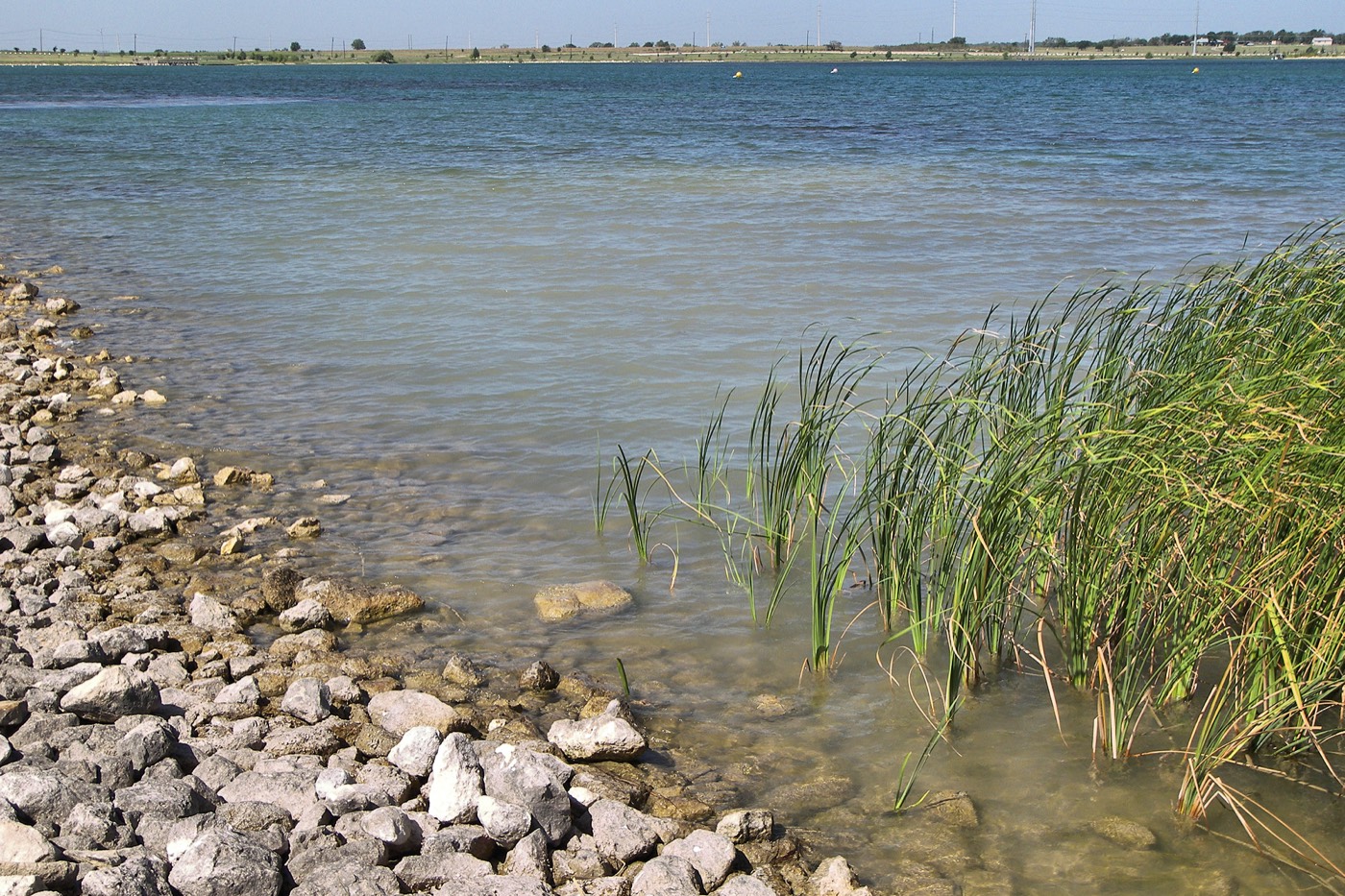
It is a flat, fast-building landscape of master-planned subdivisions, toll roads and new retail centres, anchored by Lake Pflugerville on the eastern edge of town.
How It Became Indian
For most of its history, Pflugerville was farmland. The story of how it filled with software engineers and chip-plant technicians from Hyderabad, Chennai and Bengaluru is really the story of what happened to Austin around it.
From wheat fields to a railroad town
The town takes its name from Henry Pfluger Sr., a farmer who left Germany in 1849 after losing his property in the upheavals of 1848. He arrived with $1,600, bought land east of Austin from a relative who had emigrated before him, and in 1853 paid for a 960-acre tract at a spot known as Brushy Knob.
The Pflugers raised corn, wheat, rye and sugar cane, and a community slowly gathered around them. Residents built a school in 1872 and a Lutheran church in 1875. When the Missouri, Kansas and Texas railroad laid track between Georgetown and Austin in 1904, the population doubled within a decade, though it remained a small farming town for most of the twentieth century.
The Austin boom reaches the suburbs
The change began in the 1980s. As Austin transformed from a university and government town into a technology centre, its suburbs absorbed the overflow. During most of that decade, new development made Pflugerville one of the fastest-growing cities in Texas.
The population climbed from 4,444 in 1990 to 16,335 in 2000, then to nearly 47,000 by 2010. Toll roads State Highway 130 and State Highway 45 cut through the eastern side of town, opening land for subdivisions and shopping centres almost overnight.
The H-1B generation arrives
Indian families came as part of the wave of skilled migration that reshaped the entire north Austin corridor. Dell, founded in nearby Round Rock, drew engineers from across India through the 1990s and 2000s, and Austin’s broader software economy did the rest.
Many of the first arrivals came on H-1B visas to work in software, and they settled where the new houses were going up and the schools were good and affordable: Round Rock, Cedar Park, and Pflugerville. The pattern was one of chain migration, with one cousin or college classmate sponsoring or simply advising the next.
Within the Austin metro, the Indian population in the Williamson County suburbs roughly doubled between 2015 and 2021, and Travis County towns such as Pflugerville rode the same surge. Engineers who had rented apartments in north Austin bought their first homes in Pflugerville, drawn by more space per dollar than they could find closer in.
Samsung, Apple and the new chip corridor
The latest chapter is being written by hardware. Samsung has operated a large semiconductor plant in north Austin for years and is building an enormous new fab in Taylor, a short drive north-east of Pflugerville in Williamson County. Apple’s sprawling campus sits in north Austin as well, and the region’s chip and device industry keeps drawing technical talent.
For Indian engineers and their families, Pflugerville sits at a convenient point on this map: close enough to the Austin campuses, and squarely on the route toward Taylor. The result is a suburb whose Indian population is still climbing rather than levelling off.
The Landmarks
Desi Dukaan, 19116 Limestone Commercial Drive. Announced for Stone Hill Town Center, this 10,000-square-foot concept from Hari Nemireddy and his partners is designed as a one-stop shop for Indian groceries, halal and fresh meats and prepared food, with a restaurant, juice bar and bakery under one roof. Its arrival at the town’s busiest retail centre is a marker of how mainstream the community has become.
Aapka Bazaar, Pflugerville. One of the town’s established Indian grocers, stocking fresh produce, lentils and grains, spices and the everyday snacks that fill a desi pantry. During the autumn it runs Diwali rewards for shoppers, the kind of seasonal rhythm that tells you a community has settled in for good.
Bay Leaf Indian Restaurant and Bar, Pflugerville. A full-service restaurant that has become a fixture for north-east Austin families wanting curries and tandoor without driving into the city, and a reliable spot for the after-temple or after-cricket meal.
Sangam Chettinad, Pflugerville. South Indian cooking from the Chettinad region of Tamil Nadu, the fiery, pepper-heavy cuisine that signals just how many of the area’s Indian families trace their roots to the south rather than the north.
Radha Madhav Dham, 400 Barsana Road, Austin. Set on more than 200 acres in the hills south of Austin, this ashram and temple, established in 1990, was the first Hindu temple built in the Austin area. Its Shree Raseshwari Radha Rani Temple is topped by a ninety-foot golden dome and remains a regional pilgrimage point for families across the metro, Pflugerville included. The temple is described by historians of the area as one of the largest Hindu temples in the United States.
BAPS Shri Swaminarayan Mandir, Austin. Part of the global Swaminarayan network, the Austin mandir serves the Gujarati community and many other Hindu families across the suburbs, hosting festivals, classes and the weekly gatherings that knit the diaspora together.
Stone Hill Town Center, SH 130 and SH 45. Not an Indian institution as such, but the commercial heart of modern Pflugerville: a 96-acre centre with over a million square feet of retail. It is where Desi Dukaan is opening, and where Indian families do the ordinary shopping that makes a suburb home.
Where They Came From
The Indians of Pflugerville come overwhelmingly from the south of India. Telugu speakers from Andhra Pradesh and Telangana, many with roots in Hyderabad, form a large share, reflecting that city’s long pipeline of software talent into the United States.
Tamil families from Chennai and the wider Tamil Nadu region are well represented too, as the run of Chettinad restaurants suggests, alongside Kannada speakers from Bengaluru. There is a steady presence of Gujarati and north Indian families as well, served by the Swaminarayan mandir and the north Indian kitchens.
What links them is occupation more than region: this is a community built by software engineers, IT consultants and, increasingly, semiconductor professionals, who chose Pflugerville for the same reasons their neighbours did, namely good value, good schools and a short drive to work.
Pflugerville Today
The Indian presence here is woven into ordinary suburban life rather than concentrated in a single visible enclave. There is no Indian high street as such, but there are the grocers, the restaurants clustered along the retail corridors, and the Saturday classes in Carnatic music or Bharatanatyam dance held in rented halls and family living rooms.
Pflugerville ISD, which serves the town, now counts around nine percent of its students as Asian and describes a student body representing more than a hundred cultures and languages. Cricket has found a home in the area’s parks and leagues, and Diwali has become a fixture on the local calendar, marked in homes, temples and the aisles of the grocery stores.
The community is still young and still arriving. With Samsung’s Taylor fab ramping up just to the north-east and Austin’s tech economy showing no sign of slowing, the Indians in Pflugerville are less a finished story than a chapter still being written, a farming town’s quiet transformation into one of Central Texas’s most international suburbs.
Families here often keep ties to other Texas hubs of the diaspora. Many have relatives or former colleagues among the Indians in Round Rock and the Indians in Cedar Park, the two Williamson County suburbs where Central Texas’s Indian growth has been fastest, and the newer arrivals among the Indians in Leander further north-west. The largest Texas concentration of all, of course, lies in Houston’s Mahatma Gandhi District, a reminder that Pflugerville is one node in a much wider Indian Texas.
Frequently Asked Questions
How big is the Indian community in Pflugerville, Texas?
Pflugerville’s 2020 census population was 65,191, of whom roughly 8.5 percent, about 5,500 people, were Asian. Indians make up a large share of that group, and the number has kept rising with the Austin region’s tech and semiconductor growth.
Why did so many Indian families move to Pflugerville?
The Indians in Pflugerville came largely for technology work, drawn by Dell in nearby Round Rock, Austin’s software economy and now the semiconductor industry. The town offered good schools, more affordable homes than central Austin, and a short commute to the north Austin campuses.
Where do Pflugerville’s Indian residents tend to come from in India?
Most trace their roots to south India, especially Telugu-speaking families from Hyderabad and the Telangana and Andhra Pradesh regions, along with Tamil families from Chennai and Kannada speakers from Bengaluru. There is also a notable Gujarati and north Indian presence.
Are there Indian grocery stores and restaurants in Pflugerville?
Yes. Aapka Bazaar is an established Indian grocer, and the much larger Desi Dukaan is opening at Stone Hill Town Center with groceries, a restaurant, juice bar and bakery. Restaurants such as Bay Leaf and Sangam Chettinad serve north and south Indian cooking.
Is there a Hindu temple near Pflugerville?
The Austin area has several. Radha Madhav Dham, established in 1990 south of Austin, was the first Hindu temple in the region, and the BAPS Shri Swaminarayan Mandir serves Gujarati and other Hindu families. Families across Pflugerville travel to both.
How does Pflugerville relate to Round Rock and Cedar Park for Indian families?
They are part of the same north Austin corridor. The Indians in Pflugerville often have ties to the larger and faster-growing Indian communities in Round Rock and Cedar Park, sharing temples, grocers, cricket leagues and professional networks across the metro.
If your family’s story passed through Pflugerville, or any of the places Indians have made home in America, Atlas of Home can trace that journey. From a software job offer in Hyderabad to a first house off the toll road in Pflugerville, to wherever you are now.