
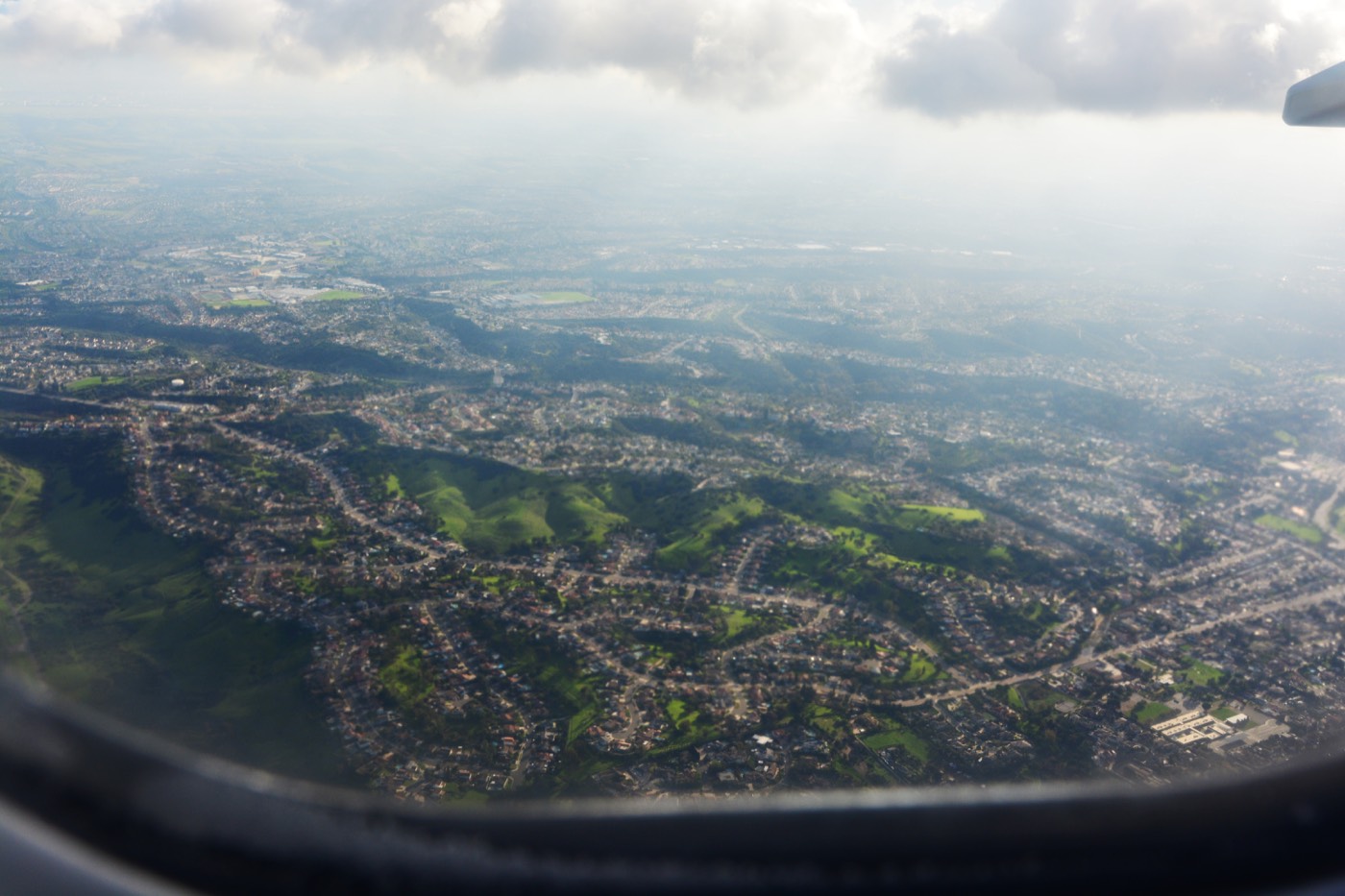
Drive south from San Diego along Interstate 805, past the Sweetwater Reservoir and into the wide mesas of the South Bay, and you arrive in a city where lechon and lumpia are weekend staples and the dawn novena before Christmas fills the pews in Tagalog. The Filipinos in Chula Vista are not a hidden community. They are woven into the second-largest city in San Diego County, into its parishes and its supermarkets, its veterans’ halls and its master-planned suburbs east of the freeway.
The Place
Chula Vista sits on the lands of a Spanish land grant once called Rancho del Rey, on the southern edge of San Diego Bay between the city of San Diego and the Mexican border. The San Diego Land and Town Company gave it its name in 1887, Spanish for “beautiful view”, and the town was officially incorporated on 17 October 1911.
For a stretch of the early twentieth century, Chula Vista was the largest lemon-growing centre in the world, its mesas planted in citrus and watered by the Sweetwater Dam, completed in 1888.
The orchards are long gone. In their place rose one of California’s great master-planned suburban expansions: the eastward push of the 1990s and 2000s that created EastLake, Otay Ranch and, most recently, Cota Vera. Today Chula Vista counts roughly 275,000 residents, and a large share of them trace their roots to the Philippines.
How It Became Filipino
The story of Filipinos in Chula Vista begins, as so many South Bay stories do, at sea.
The Navy Pathway
After the United States took the Philippines from Spain in 1898, the U.S. Navy began recruiting Filipinos in large numbers. For decades, naval policy restricted them to roles as stewards and mess attendants, serving in officers’ wardrooms regardless of their education. San Diego, with its sprawling naval facilities, became one of the country’s great anchor points for Filipino sailors and their families.
The South Bay was the natural place to put down roots. National City, just north of Chula Vista, sat close to the naval base on 8th Street and offered affordable housing, and it became a haven for Filipino navy families. Chula Vista, Imperial Beach, Bonita and Paradise Hills filled in around it. The Filipino map of southern San Diego County was drawn, in large part, by where sailors and their relatives could afford to live.
Chain Migration and the Family Door
Once the first generation arrived, the community grew the way Filipino communities almost always grow: through family. Early settlers sponsored relatives, who in turn sponsored their own, an accelerating cycle of family reunification after the immigration reforms of 1965 opened the door wider.
As one local mayor put it plainly, most Filipinos came to the United States because they had a family member already in the Navy or the military. The sailor was the bridgehead. Brothers, sisters, parents, cousins and in-laws followed across the Pacific, and many of them settled within driving distance of one another in the South Bay.
From Renters to Homeowners
The pattern across San Diego County is well documented. Active-duty Filipino families clustered near the bases. As careers matured and second careers in nursing, engineering, accounting and the trades took hold, families moved up and out into homeownership.
Chula Vista was the obvious destination. It was close to the bases and to relatives in National City, but it offered newer, larger homes on quieter streets. Through the 1980s and 1990s, Filipino families bought into established west-side neighbourhoods, and then, as the city expanded eastward, into the brand-new subdivisions of EastLake and Otay Ranch.
The Move East
The city’s great eastward expansion changed where Filipino Chula Vista lived. The master-planned communities built on the old Otay Ranch lands, annexed and developed from the 1990s onward, drew thousands of families seeking new construction, good schools and room to grow.
That eastward shift continues today. In Cota Vera, the newest of Otay Ranch’s neighbourhoods, roughly one in five residents is Filipino American, the highest concentration in the city. The community that started in wardrooms and rental flats now sets the tone for entire master-planned districts.
The Landmarks
Seafood City Supermarket, 285 E. Orange Avenue. The flagship Filipino grocer of the South Bay, part of the largest Filipino supermarket chain in North America. Shoppers come for pandesal and bangus, for the wall of bottled sauces and the fresh seafood counter, and for Grill City inside, where lumpia and barbecued meats are cooked to order. On weekends the parking lot is a community crossroads.
Max’s Restaurant, 2127 Olympic Parkway. A South Bay outpost of the storied Manila institution, set near the EastLake and Otay Ranch town centres. The draw is the Sarap-to-the-Bones fried chicken served with banana ketchup, alongside crispy pata and the rest of a deep Filipino menu. It is a fixture for birthdays, baptism lunches and after-Mass gatherings.
St. Rose of Lima Catholic Church, 293 H Street. A west-side parish in the Diocese of San Diego that hosts Simbang Gabi, the nine-day dawn novena Filipinos keep in the run-up to Christmas. For many families the pre-dawn Masses, followed by puto bumbong and bibingka outside, are the heart of the season.
St. Pius X Parish, 36 E. Naples Street. Another Chula Vista parish on the Diocese of San Diego’s Simbang Gabi schedule, with its evening novena Masses in December. The South Bay’s Filipino Catholic life is parish-based and deeply rooted, spread across several churches rather than concentrated in one.
The Filipinos of South Bay Exhibit, Civic Center Branch Library, 365 F Street. A free community exhibit tracing the journey of Filipino migrants from the Philippines to the South Bay, mounted in collaboration with PASACAT, the Filipino American National Historical Society of San Diego and the Council of Philippine American Organizations of San Diego County. It is local history told by the community itself.
Filipino American Veterans Park, La Media Parkway, Cota Vera. Approved by the City Council on 21 October 2025, this 5.5-acre park is set to be the first in the United States dedicated to Filipino American veterans. Its planned central memorial features three walls representing Luzon, Visayas and Mindanao, with etched maps of the Philippines and the United States. Construction is scheduled to break ground in spring 2026.
Corpus Christi Church, 450 Corral Canyon Road, Bonita. Just east of Chula Vista in neighbouring Bonita, this parish also keeps Simbang Gabi, a reminder that the South Bay’s Filipino faith life spills naturally across municipal lines into the surrounding communities.
Where They Came From
The Filipinos of Chula Vista do not come from a single province. The Navy pathway drew sailors from across the archipelago, and the family-reunification chains that followed carried in relatives from wherever those first sailors had been born.
That said, the texture of the community is unmistakably national rather than regional. Walk through Seafood City and you hear Tagalog, Ilocano, Cebuano and Visayan dialects braided together. The Simbang Gabi novena, the lechon at fiestas, the pandesal at dawn: these are pan-Philippine traditions, and they bind a community whose grandparents may have come from Luzon, the Visayas and Mindanao alike.
The deeper origin point is institutional. More than any single province, what brought Filipinos to the South Bay was the United States Navy, and after it, the family door it held open for half a century. That is why the planned veterans park, with its three walls for the three island groups, feels so apt. It honours a community defined less by where in the Philippines it began than by the shared path that carried it across the Pacific.
Chula Vista Today
Today the Filipinos in Chula Vista are a settled, multigenerational community rather than an immigrant enclave. Filipinos make up the largest single Asian group in a city of roughly 275,000, and Chula Vista holds one of the largest Filipino populations of any city in San Diego County, alongside San Diego, National City and Oceanside.
The community’s institutions reflect that maturity. There are the supermarkets and restaurants, yes, but also the parishes, the historical society, the performing-arts companies like PASACAT, and the friendship festivals that fill the calendar. The Filipinos of South Bay Exhibit at the Civic Center library marks a community confident enough to curate and tell its own story.
The most striking sign of permanence is the veterans park. A city does not name 5.5 acres after a community’s elders unless that community has become part of the city’s own identity. From the wardrooms of the Pacific Fleet to a memorial with three walls for Luzon, Visayas and Mindanao, the Filipinos of Chula Vista have written themselves firmly into the map of the South Bay.
Their story rhymes with Filipino communities across California, from the navy-rooted enclave next door in National City to the suburban communities of Cerritos, West Covina and Eastvale, and reaching all the way to Little Manila in Queens. It also sits within the wider story of Asian California, alongside Korean Anaheim Hills and Chinese San Jose.
Frequently Asked Questions
Why are there so many Filipinos in Chula Vista?
The Filipinos in Chula Vista are largely the legacy of the United States Navy, which recruited Filipinos for decades and anchored thousands of families around San Diego’s naval bases. Sailors settled in the South Bay, sponsored relatives through family reunification, and over time moved into Chula Vista’s newer suburban neighbourhoods.
How many Filipinos live in Chula Vista?
Census estimates count tens of thousands of Filipino residents in Chula Vista, making them the largest single Asian group in a city of roughly 275,000 people. Chula Vista holds one of the largest Filipino populations of any city in San Diego County.
Which neighbourhood has the most Filipino Americans in Chula Vista?
Cota Vera, the newest neighbourhood in the Otay Ranch area east of Interstate 805, has the highest concentration, with roughly one in five residents identifying as Filipino American. It is also the planned site of the Filipino American Veterans Park.
What is the Filipino American Veterans Park in Chula Vista?
Approved by the City Council in October 2025, it is a 5.5-acre park in the Cota Vera neighbourhood set to become the first park in the United States dedicated to Filipino American veterans. Its planned memorial features three walls representing Luzon, Visayas and Mindanao, with groundbreaking scheduled for spring 2026.
Where can I find Filipino food and groceries in Chula Vista?
Seafood City Supermarket at 285 E. Orange Avenue is the flagship Filipino grocer, with the Grill City counter inside. For sit-down dining, Max’s Restaurant on Olympic Parkway near EastLake is a long-standing favourite, alongside a cluster of independent Filipino kitchens around the South Bay.
Do Chula Vista’s Filipinos celebrate Simbang Gabi?
Yes. Several Diocese of San Diego parishes in and around Chula Vista, including St. Rose of Lima and St. Pius X, host Simbang Gabi, the nine-day novena of dawn or evening Masses Filipinos keep before Christmas. It is one of the most visible expressions of Filipino faith life in the city.
If your family’s story passed through Chula Vista, or any of the places Filipinos have made home in America, Atlas of Home can trace that journey. From a Navy posting in the Pacific Fleet to a home in Otay Ranch, to wherever you are now.