
Step off the train at the old Southern Pacific depot in East Bakersfield in 1900, and the first English you might never have needed was a hand-lettered card pinned to your lapel. It read simply: Noriega Hotel, Bakersfield, California. The young man wearing it had crossed an ocean and a continent speaking only Euskara, the Basque tongue unlike any other in Europe. He was looking for work tending sheep in the foothills, and the card was his whole plan. One of the first Basques in Bakersfield, he found a long table already set two blocks from the platform, the wine poured, a bed waiting upstairs.
That card is why the Basques in Bakersfield built one of the largest and most stubbornly intact Basque communities in the United States. They came as herders, wintered in boarding houses called ostatuak, and turned a dusty railroad town into a place where you can still order a Picon punch and eat at a stranger’s elbow off a checkered tablecloth.
Bakersfield: The Place
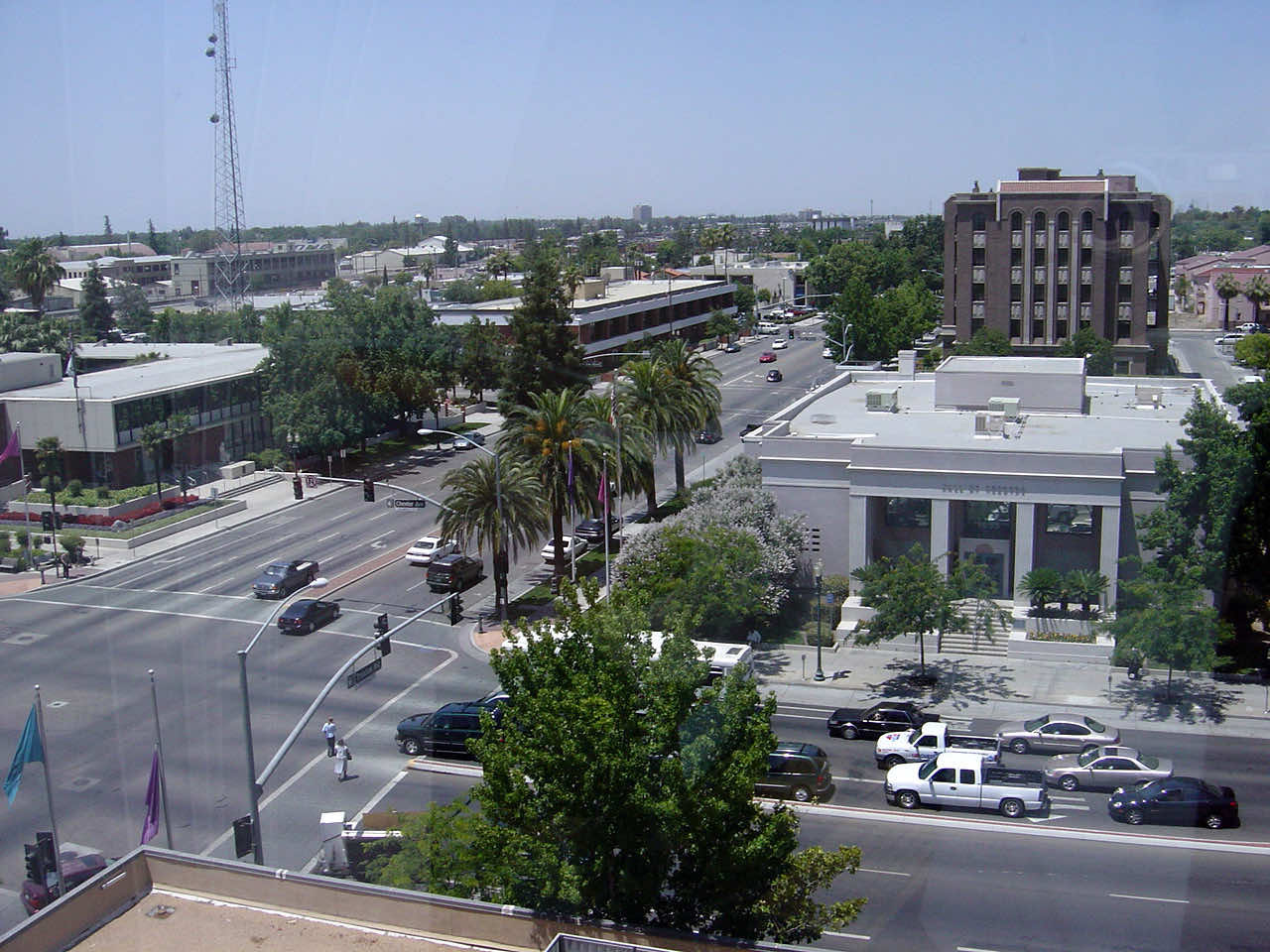
Bakersfield sits at the southern end of California’s San Joaquin Valley, ringed by the Tehachapi Mountains to the south and the Sierra Nevada foothills to the east, about 110 miles north of Los Angeles. The Kern River cuts through it, and the Southern Pacific Railroad once defined its eastern edge. The Basque quarter grew up across that river in a settlement called Sumner, later absorbed as East Bakersfield, a grid of modest frame houses, brick storefronts, and the depot that fed it all.
How Bakersfield Became California’s Basque Capital
Before the Basques
Long before the herders arrived, the southern valley was Yokuts land, watered by the Kern River and its marshes. Spanish exploration reached it early: the soldier Gabriel Moraga crossed the region between 1805 and 1808 and gave the San Joaquin River its name. In 1843 the Mexican government granted land in the area to Jose Antonio Aguirre, himself a Basque from San Sebastian, an early thread of the heritage to come.
The town proper was a product of two booms. Oil and gold drew prospectors to the Kern River, and in 1874 the Southern Pacific laid track and founded the depot town of Sumner across the river from the older Bakersfield settlement. That railhead, more than the gold, is what brought the Basques.
The Basques Arrive
The first Basques came chasing the Gold Rush, but they quickly learned a quieter truth: feeding miners lamb and selling wool paid better and lasted longer than panning a creek. By 1874 a French Basque colony had taken root in the new town of Sumner, timed almost exactly to the railroad’s arrival. Most of the men started with nothing but a contract to herd another man’s sheep, walking the flocks up into the Sierra foothills each summer and down to the valley each winter.
The pattern that made the community grow was chain migration, and it ran through the boarding houses. A herder who had made good would write home to a brother, a cousin, a neighbor in the same mountain village, and vouch for them. The newcomer arrived knowing the name of one hotel and one countryman, and that was enough.
Almost all the men were single when they came, and almost all intended to go home rich. Many never did. They married Basque women who had come the same way, often as cooks or maids in the very hotels where the herders boarded, and the temporary colony quietly became permanent.
Bakersfield at Its Peak
For roughly six decades the boarding houses were the engine of Basque Bakersfield. They were hotel, restaurant, post office, employment agency, bank, and matchmaker in one. A herder back from months alone in the hills could collect his mail, cash his pay, find his next job, and dance at the weekend, all under the same roof, all in Euskara.
The food settled into a ritual that survives almost unchanged. Meals were served family-style at long communal tables at fixed hours, strangers seated shoulder to shoulder, with soup, salad, beans, bread, salsa, and blue cheese arriving before the meat, and red wine poured throughout. The herder’s loaf, a dense round of sheepherder’s bread with a dark blistered crust, came from the same wood-fired brick ovens that still run today.
The Spanish and French Basques did not always mix easily, and the community sustained more than one hotel partly along those lines. But the table itself, and the shared language, held the colony together through the heart of the twentieth century.
The Change
The open range that made the herders possible closed almost overnight. On June 28, 1934, President Franklin Roosevelt signed the Taylor Grazing Act, which required anyone grazing stock on public land to own or lease a base property and hold a permit. Overnight the itinerant Basque herder, who had simply moved his flock across unclaimed country, was squeezed off the land.
The act ended the heyday of Basque sheepherding in the West. Younger Basques moved into ranching, gardening, business, and the trades, and the steady stream of single young herders from the old country slowed to a trickle. The boarding houses lost their original purpose, but the smartest of them did something clever: they kept the long tables and turned the dining room toward the public.
The Landmarks of Basque Bakersfield
The Noriega Hotel at 525 Sumner Street is the keystone. It opened in 1893 as the Iberia Hotel and was renamed in 1906 for Faustino Noriega, who had come over in 1872 to herd sheep, and his partner Fernando Etcheverry. Standing two blocks from the Southern Pacific station, it was the first American address thousands of Basques ever knew, and in 2011 it won the James Beard Foundation’s America’s Classics award for its single fixed-menu feast served at noon and seven.
The Pyrenees Cafe at 601 Sumner Street is the survivor of that depot-side block. It opened around 1899 as a hotel, saloon, and bakery for the herders, ran liquor through underground concrete vats during Prohibition, and today bills itself as the oldest running saloon in Kern County, still serving multicourse meals at long trestle tables.
The Amestoy Hotel belongs to the lost generation of ostatuak. Kept for years by Franck and Marie Maitia, it was the kind of place where a young Basque woman fresh from the old country learned the trade, and local lore holds that President William McKinley once spoke from a balcony of the building. It is gone now, but its alumni built what came next.
Wool Growers, at 620 East 19th Street, is the proof. JB and Mayie Maitia, both from the French Basque country, opened it in 1954 after training at the Amestoy and the Noriega. Mayie was just twenty-five, the loan was fifteen thousand dollars, and the oxtail and the crisp fries made it one of the most beloved Basque rooms in California, still run by the family.
Chalet Basque, at 200 Oak Street, carried the tradition west of downtown. JB and Marie Curutchague founded it in 1969, and its communal tables and family-style steaks still draw a crowd. Benji’s French Basque Restaurant, opened in 1986 at 4001 Rosedale Highway, is the younger cousin, known for pickled tongue and frog legs that would have been perfectly familiar to a herder a century earlier.
The Kern County Basque Club, now at 2301 South Union Avenue, is where the community gathers when it is not eating. Founded on March 20, 1944 by John Ansolabehere, Frank Maitia Sr., Felix Etcheverry, Raymond Castanchoa, and Inocencio Jaurena, it bought the Rainbow Gardens grounds in 1974 and added a fronton, the high-walled court for the Basque handball called pelota. Its Memorial Day festival is the largest in California.
Where the Bakersfield Basques Came From
The community drew from two corners of the Basque homeland, and old-timers could tell them apart by accent. The Spanish Basques came overwhelmingly from the Baztan Valley in Navarre, a green river valley high in the western Pyrenees. The French Basques came from a tight cluster of villages in Lower Navarre on the northern slope: Baigorri, Urepel, Aldudes, and Banka, hamlets so small that whole streets of East Bakersfield could trace back to a single parish.
The reason was the same on both sides of the border. These were rugged farming and herding districts where land was scarce and inheritance fell to one child, leaving younger sons with strong backs, a way with sheep, and no acres of their own. California offered the open range they lacked at home, and one successful letter could empty a village.
Bakersfield Today
The Basques in Bakersfield no longer arrive by train to herd sheep, and the boarding houses no longer keep beds upstairs. The original Noriega building has stood vacant since the restaurant closed in 2020, and a relocated version on Stockdale Highway lasted only into early 2025. Its old bar and neon sign now live at the Kern County Museum, a community’s heirloom kept under glass.
Yet the table held. Wool Growers, the Pyrenees, Chalet Basque, and Benji’s still pour the Picon punch and seat strangers together, and Bakersfield remains home to the densest concentration of Basque restaurants in the country. Each Memorial Day weekend the Kern County Basque Club, a founding member of the North American Basque Organizations, fills its grounds for three days of pelota, mus card tournaments, a Basque Mass, and dancers in red and white. The 2024 festival drew more than 2,500 people and marked the club’s eightieth year.
Drive the ranch roads of Kern County and the surnames give it away, on mailboxes and brands and cattle gates, names like Etcheverry, Maitia, and Ansolabehere that once belonged to single men with cards pinned to their coats. The herders are gone, but the valley still answers in Basque.
Frequently Asked Questions
Why did the Basques settle in Bakersfield?
The Basques in Bakersfield came first for the Gold Rush, then stayed because herding sheep and selling wool and lamb in the San Joaquin Valley paid better than mining. The Southern Pacific Railroad’s 1874 depot in the town of Sumner gave them a foothold, and Basque boarding houses there provided work, lodging, and a community in their own language.
Is Bakersfield still a Basque town today?
Yes, in living tradition more than in numbers. The Basques in Bakersfield run the densest cluster of Basque restaurants in the United States, the Kern County Basque Club hosts California’s largest Basque festival every Memorial Day, and Basque surnames remain common across Kern County ranching families.
What are the most famous Basque landmarks in Bakersfield?
The Noriega Hotel on Sumner Street, opened in 1893 and a James Beard America’s Classics winner, is the most storied, though its restaurant has closed. The Pyrenees Cafe, Wool Growers, Chalet Basque, and Benji’s all still serve family-style meals, and the Kern County Basque Club on South Union Avenue anchors the festivals.
Where did the Bakersfield Basques come from?
They came from two regions of the Basque homeland in the Pyrenees. Spanish Basques arrived mostly from the Baztan Valley in Navarre, while French Basques came from the Lower Navarre villages of Baigorri, Urepel, Aldudes, and Banka, drawn by California’s open range when land at home was scarce.
When did Basques first arrive in Bakersfield?
The first Basque herders reached the area during the Gold Rush of the 1850s, but the community took root in 1874 when a French Basque colony settled in Sumner alongside the new Southern Pacific Railroad. The oldest surviving institution, the Noriega Hotel, opened in 1893.
If your family’s story passed through the boarding houses of East Bakersfield, or any of the places where one immigrant’s letter home pulled a whole village across the world, that journey deserves to be remembered. You can read related histories of the Basques in Boise, Idaho, the Sikhs of Yuba City in California’s same Central Valley, and the Danes of Solvang just over the mountains.