
On a Sunday morning in west Houston, the parking lot at a Katy church fills with families in tailored agbada and bright gele head-ties, and by noon the smell of jollof rice drifts from a strip-mall kitchen on FM-1463. The Nigerians in Katy, Texas did not arrive by accident. They followed degrees, hospital badges and one another, out past Beltway 8 and the Grand Parkway, into one of the most affluent and best-schooled suburbs in the state.
The Place
Katy sits about thirty miles west of downtown Houston, straddling the line where Harris, Fort Bend and Waller counties meet. For most of its history it was a rice-farming and railroad town, quiet and rural, until Interstate 10 and later the Grand Parkway opened its prairie to commuters.
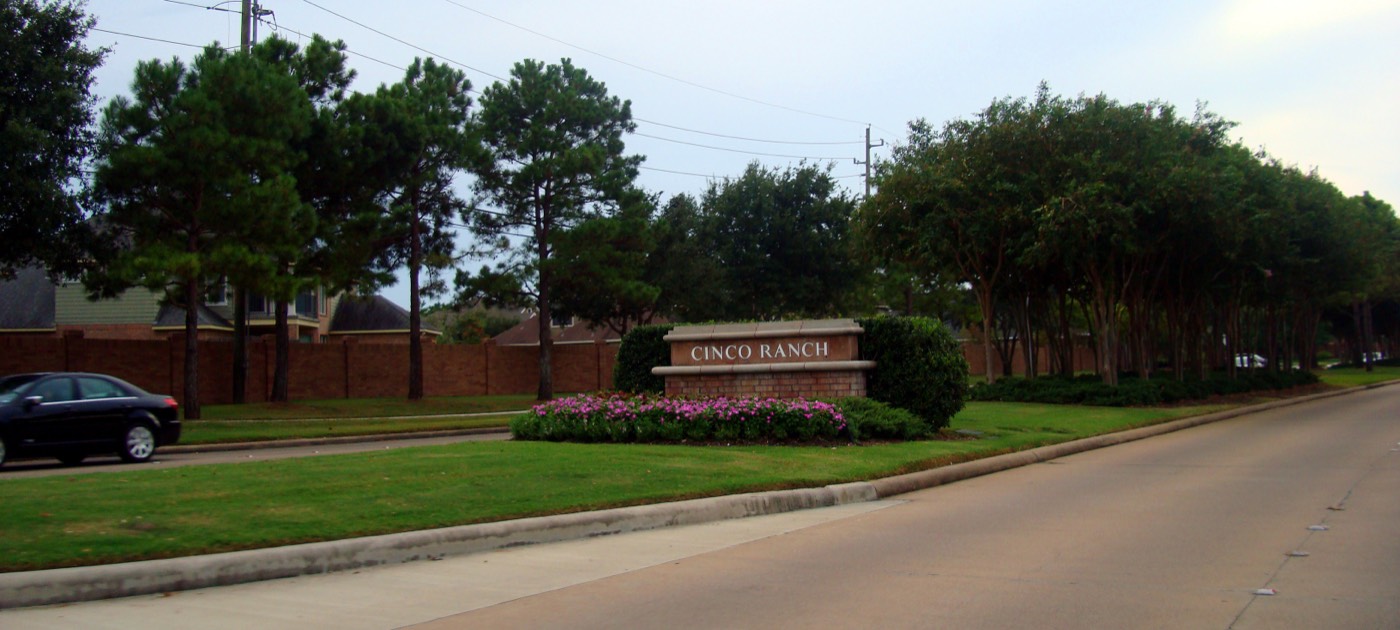
What followed was one of the largest suburban build-outs in Texas. Master-planned communities such as Cinco Ranch, begun in 1984 on a 5,000-acre ranch that eventually grew to roughly 8,000 acres, filled the land with golf courses, community pools and cul-de-sacs of brick houses.
Today the greater Katy area is anchored by Katy Independent School District, repeatedly ranked among the best public districts in Texas and serving close to 96,000 students. That combination, big new houses and top-rated schools, is exactly what drew the families this story is about.
How It Became Nigerian
The Nigerian presence in Katy is best understood as the newest chapter of a much older Houston story. Greater Houston holds the largest concentrated Nigerian American population in the United States, and Katy is where many of its professional families chose to raise their children.
The Houston foundation
Nigerians began arriving in Houston in significant numbers in the 1970s and 1980s, drawn first by universities and by the oil economy that linked the Gulf Coast to the Niger Delta. Engineers, students and medical trainees built the first congregations and shops, largely on the southwest side of the city, in Alief, Sharpstown and along Bissonnet.
Harris County, which contains most of Houston, recorded roughly 35,000 Nigerian residents in the 2020 census, the highest count of any county in the country. Community estimates for the wider metro run far higher once second-generation Nigerian Americans are counted.
The move west
As that first generation established careers, many followed the classic American suburban arc and moved outward for space and schools. The Grand Parkway, State Highway 99, made the western suburbs reachable, and Katy’s reputation for safe streets and strong schools travelled quickly through Nigerian professional networks.
The pattern is what demographers call chain migration. A physician or nurse settled in Katy, sponsored relatives, recommended the district to colleagues, and within a few years a single household had become a cluster. Between 2010 and 2020 Houston’s Nigerian community grew by roughly 45 per cent, outpacing the city as a whole, and a large share of that growth landed in suburbs like Katy, Sugar Land, Pearland and Missouri City.
Katy’s neighbours in this migration are worth naming. The same forces that built the Nigerian community here also shaped the Nigerians in Sugar Land, Texas and the Nigerians in Pearland, Texas, each a prosperous suburb on a different spoke of the Houston wheel.
The medical engine
If one institution explains the Nigerian middle class in Katy, it is the Texas Medical Center. The world’s largest medical complex sits just southwest of downtown, and Nigerian doctors, nurses and pharmacists fill its wards in numbers that have made the profession almost synonymous with the community.
Houston’s Nigerian community is unusually well educated. Surveys of the community find that a clear majority hold at least a bachelor’s degree, far above both the national average and the average for immigrants generally. That education translates directly into the professions, and the professions translate into Katy mortgages.
The infrastructure of that workforce is organised and visible. The Association of Nigerian Physicians in the Americas runs an active Houston chapter, founded in 2015, and the Houston Area Nigerian Nurse Practitioners Association brings together advanced-practice nurses of Nigerian descent across the western suburbs. For a nurse practitioner working a Katy clinic, these are not abstract bodies but the people at the next Saturday meeting.
The churches as anchors
Faith arrived with the families and shaped the community as much as work did. Nigerian Pentecostalism, especially the Redeemed Christian Church of God, planted parishes across the Houston suburbs, and the denomination has built some of its largest North American facilities in the region. For many Katy families the church is the centre of social life, the place where weddings, naming ceremonies and funerals gather hundreds of people who trace their roots to the same handful of Nigerian states.
These congregations also function as informal welcome centres. A newcomer who joins a parish finds job leads, housing advice, childcare and a ready network, the same role earlier Nigerian churches played in the Nigerian community across Houston a generation earlier.
The Landmarks
Lagos Buka, 4031 FM-1463 Road, Katy 77494. Named for Nigeria’s largest city, this is one of Katy’s best-known Nigerian kitchens, serving smoky party jollof rice, spicy asun, afang soup and suya. On a Friday night the dining room fills with families and the occasional homesick student driving in from the university.
EKOMI, 2811 W Grand Parkway North, Katy 77449. Set on the Grand Parkway, the highway that opened Katy to the west-side migration, EKOMI serves Nigerian staples to a steady crowd of regulars. Its location on Highway 99 is fitting: the road and the restaurant grew up together.
Royal Arm Restaurant, 23010 Highland Knolls Drive, Katy 77494. A newer African and Caribbean kitchen near Cinco Ranch, Royal Arm folds Nigerian dishes such as egusi soup and jollof rice into a wider West African and Caribbean menu, a reminder that Katy’s African community is broader than any single nationality.
Asani’s African International Market, 3756 N Fry Road, Katy. A grocer stocking Nigerian, Caribbean, Mexican and Asian goods, Asani’s is the kind of shop where a Katy household restocks egusi, dried fish, palm oil and garri without driving back into Houston. These markets are the quiet plumbing of a diaspora kitchen.
Havilah African Food Market, 19540 Clay Road, Katy. Another African grocery serving the western suburbs, Havilah carries the pantry staples that make a Nigerian Sunday lunch possible. For families thirty miles from the old Bissonnet corridor, a shop like this is what makes Katy feel like home.
The Grand Parkway (State Highway 99). Not a building but a landmark all the same. The toll road that loops Houston’s far suburbs is the spine of the western Nigerian community, threading together Katy’s restaurants, churches and subdivisions. More than any single address, it is the road that made this migration possible.
Katy Independent School District. The real magnet. Campuses such as Cinco Ranch High School and Seven Lakes High School rank among the strongest in Texas, and for Nigerian parents who treat education as non-negotiable, the district’s reputation is the single most cited reason for choosing Katy over other suburbs.
Where They Came From
Nigeria sends more of its people to the United States than almost any other African nation, and the flow is heavily weighted toward the educated. The Katy community draws on that pattern, with families tracing their origins to the country’s major regions.
Many are Yoruba from the south-west, the region around Lagos, Ibadan and Abeokuta, whose long history of Western-style schooling produced generations of doctors, lawyers and engineers. Others are Igbo from the south-east, whose commercial and professional traditions are well represented in Houston’s clinics and small businesses. Still others come from Edo, Delta and the wider south, and a smaller number from the north.
What unites them is less a single home state than a shared trajectory: a Nigerian secondary school, a degree at home or abroad, a professional licence, and a decision that their children’s education was worth crossing an ocean for. Katy, with its schools and its space, was the natural landing place for people who had already bet everything on education.
Katy Today
Katy today is a prosperous, fast-growing suburb where the Nigerian presence is woven into ordinary middle-class life rather than concentrated in a single visible enclave. There is no Nigerian quarter with a gateway arch. Instead there are families spread across Cinco Ranch and the newer subdivisions, a scatter of restaurants and groceries, and churches that fill on Sundays.
That dispersal is itself a kind of success. The Nigerians in Katy arrived with degrees and professions, bought into the same neighbourhoods as their American-born neighbours, and sent their children to the same top-ranked schools. The community’s institutions, the physicians’ association, the nurses’ network, the parishes, hold the social fabric together even when the houses are streets apart.
The honest picture includes the strain that comes with that achievement. Long hospital shifts, the pressure on children to match their parents’ credentials, and the distance from extended family in Nigeria all weigh on these households. Yet for a generation that left home to chase opportunity, Katy represents something close to the goal: good schools, a paid-for house, and a Sunday table that still tastes of Lagos.
Frequently Asked Questions
How large is the Nigerian community in Katy, Texas?
There is no precise official count for Katy alone, but the Nigerians in Katy, Texas are part of greater Houston’s Nigerian population, the largest concentration in the United States. Harris County recorded about 35,000 Nigerian residents in the 2020 census, and Katy is one of the suburbs where professional Nigerian families have settled in large numbers.
Why did Nigerians move to Katy specifically?
The main draw is Katy Independent School District, consistently ranked among the best in Texas, paired with affordable large houses in master-planned communities. As Houston’s established Nigerian families prospered, many moved west along the Grand Parkway for space and schools, and chain migration through churches and professional networks did the rest.
What work do Nigerians in Katy typically do?
Many work in healthcare, anchored by the Texas Medical Center, as doctors, nurses, nurse practitioners and pharmacists. The community is unusually well educated, with a majority holding at least a bachelor’s degree, and is also represented in engineering, energy, business and small enterprise.
Where can I find Nigerian food in Katy?
Lagos Buka on FM-1463 Road and EKOMI on the Grand Parkway are well-known Nigerian kitchens, and Royal Arm near Cinco Ranch serves Nigerian and Caribbean dishes. For home cooking, Asani’s African International Market on N Fry Road and Havilah African Food Market on Clay Road stock Nigerian staples.
What churches serve the Nigerian community in Katy?
Nigerian Pentecostal churches, especially parishes of the Redeemed Christian Church of God, are central to community life across the Houston suburbs. These congregations serve as social anchors, hosting weddings, naming ceremonies and funerals, and acting as informal welcome networks for new arrivals.
How does Katy compare to other Nigerian suburbs near Houston?
Katy is one of several prosperous west and south Houston suburbs with large Nigerian populations, alongside Sugar Land, Pearland and Missouri City. Each grew through the same combination of good schools, affordable housing and chain migration, with Katy distinguished by its highly rated school district and rapid growth. The same professional, education-driven migration shaped Nigerian enclaves far beyond Texas, including the Nigerian community in Bowie, Maryland.
If your family’s story passed through Katy, or any of the places Nigerians have made home in America, Atlas of Home can trace that journey. From a secondary school in Lagos or Enugu to a brick house in Cinco Ranch, to wherever you are now.