
The cafecito window opens before the sun is fully up, and a line forms on the sidewalk. A man in a guayabera orders a colada and four little plastic thimbles, then turns to argue baseball with a stranger in Spanish. This is Hialeah, Florida, the most Cuban city in the United States, where roughly three out of four residents claim Cuban origin and the language of the street is not English but the rapid, warm Spanish of Havana carried north. No tourist brochure made it this way. The Cubans in Hialeah built it cup by cup, shift by shift, from a horse-racing suburb on a drained Everglades prairie.
Hialeah, Florida: The Place
Hialeah sits in northwest Miami-Dade County, hemmed in by the Palmetto Expressway to the west and the Miami River basin to the south, with Miami International Airport just off its southern edge. The name comes from a Muskogee phrase often translated as “pretty prairie” or “high prairie,” a reminder that this was open marshland before it was anything else.
The housing is modest and dense: low concrete-block homes, duplexes, and garden apartments laid out on a tidy grid of numbered streets and avenues. West 49th Street is the city’s commercial spine, a working-class counterpart to Little Havana’s Calle Ocho. This is a residential, blue-collar city, the sixth-largest in Florida, and it wears that identity without apology.
How Hialeah Became Cuban
Before the Cubans
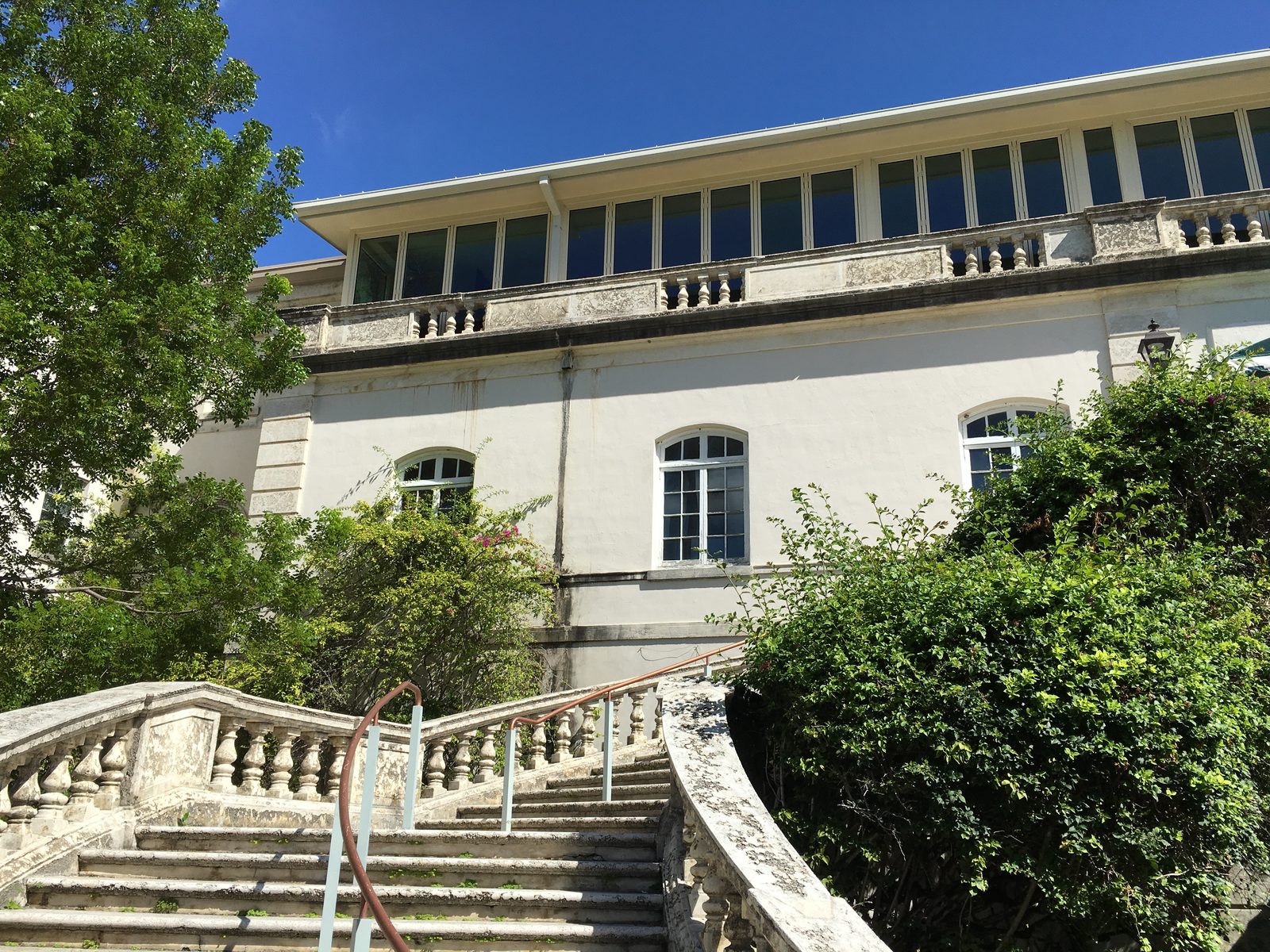
Hialeah was born in the 1920s, the brainchild of two unlikely partners: aviation pioneer Glenn Curtiss and Missouri cattleman James H. Bright. They incorporated the town in 1925 and drained the prairie to build something glamorous on it. The centerpiece was Hialeah Park Race Track, which opened for thoroughbred racing in January 1925 and reopened in grand Mediterranean Revival form in 1932.
For decades the track drew the wealthy and the famous, its infield famous for a colony of pink flamingos. The town around it was small, fewer than two thousand people at first, a winter playground rather than a city. The Great Miami Hurricane of 1926 nearly wiped it out, but the racetrack pulled it back to life.
Through the 1940s and 1950s Hialeah grew as a modest Anglo and working-class suburb, dotted with light industry and garment factories. It was affordable, flat, and close to jobs. That affordability is exactly what the next wave of arrivals would need.
The Cubans Arrive
When Fidel Castro took power in 1959, the first Cuban exiles fled to Miami. The earliest wave, from 1959 to 1962, was heavily professional and middle class, and much of it settled first in the neighborhood that became Little Havana. But the families who came needed work, and Hialeah had it.
The pull was practical. Hialeah’s nonunion garment industry was hiring, the factories near the Palmetto wanted hands, and Miami International Airport across the expressway offered steady shifts. Rents were cheap and the homes were small enough to buy. Cubans moved north from Little Havana street by street, and each family that arrived made room for the next.
The Freedom Flights accelerated everything. Between 1965 and 1973, twice-daily flights from Varadero brought close to 300,000 Cubans to the United States, this time drawn largely from the working and lower-middle classes. They were sewers, mechanics, salespeople, and small farmers, and Hialeah’s factory floors were built for exactly those skills. This is the same engine of chain migration that filled the Cuban heart of Little Havana in Miami and, hundreds of miles north, the cigar-and-exile world of Cubans in Union City, New Jersey.
Hialeah at Its Peak
By the late 1970s and through the 1980s, Hialeah had become unmistakably Cuban. The garment district, sometimes called the second-largest in the country after New York, hummed with sewing machines run by Cuban women who had learned the trade on the island. Whole families worked the same trades, and small businesses multiplied: bakeries, cafeterias, auto shops, and corner markets.
Then came the Mariel boatlift. Between April and October of 1980, some 125,000 Cubans crossed from Mariel Harbor to Florida in the largest single migration in Cuban-American history. Many of these new arrivals, the marielitos, settled heavily in Hialeah, where cheap rent and Spanish-speaking neighbors made landing softer. The city’s Cuban majority hardened into something close to total.
Daily life ran on the ventanita, the walk-up coffee window where a fifty-cent cortadito buys ten minutes of conversation. Cafecito was poured at sunrise and again at three in the afternoon, an island ritual transplanted whole. Quinceaneras, dominoes on folding tables, and Noche Buena pork roasts gave the year its rhythm. Telemundo, the Spanish-language network, even put its headquarters here.
The Change
Unlike many diaspora enclaves, Hialeah never really emptied of its founding community. The later waves kept replenishing it: the balseros, the rafters of the 1990s, and a steady arrival of Cubans through the 2000s and 2010s who came by plane and by land. The Cuban character did not fade. It deepened.
What did shift was the wider neighborhood. Hialeah Park stopped live thoroughbred racing in 2001, a long goodbye to the glamour era, before reopening years later as a casino. Other Latin American arrivals, including Nicaraguans and Hondurans, settled in nearby suburbs such as Sweetwater, Florida, layering new accents onto greater Miami. But inside Hialeah’s grid, the dominant story stayed Cuban, generation after generation.
The Landmarks of Cuban Hialeah
Hialeah Park Race Track, 2200 East 4th Avenue. The reason the city exists, opened for thoroughbreds in 1925 and rebuilt in 1932 with grand arches and a colony of flamingos. It is a National Historic Landmark, and for older Cubans it marks the elegant Hialeah that existed before they arrived to make it their own.
Vicky Bakery, with its beloved location at 445 East 49th Street. Antonio and Gelasia Cao, who fell in love working at the famous La Vencedora bakery in Cuba, opened it in 1972 after arriving as exiles. From that one storefront the family grew Vicky into a Florida institution, and Hialeah still claims its pastelitos and cafecito as the original.
Molina’s Ranch Restaurant, on West 49th Street. A sprawling, family-style Cuban restaurant that has anchored the neighborhood since 1982, its big dining room filled with families ordering palomilla and lechon. It is the kind of place where a baptism lunch and a workman’s daily plate happen at neighboring tables.
West 49th Street, the commercial spine of the city. This is Hialeah’s everyday main street, lined with bakeries, cafeterias, furniture stores, and ventanitas, where business is conducted in Spanish and a colada is never far away. It is the working-class answer to Calle Ocho.
Amelia Earhart Park, 401 East 65th Street. A 515-acre green space in the heart of the city where Cuban families spend their Sundays at the lakes, the petting farm, and the open fields. On weekends the smell of cooking drifts across the grass and three generations share one table.
The Leah Arts District, near East 10th Avenue in the old industrial quarter. A newer chapter, this mural-splashed zone of galleries, studios, and food trucks has grown out of Hialeah’s warehouse district, where younger Cuban-Americans paint their own version of the city onto its walls.
Where the Hialeah Cubans Came From
The Cubans of Hialeah came overwhelmingly from Havana and its surrounding province, the urban and working-class heart of the island, along with families from Matanzas, Las Villas, and the towns of central Cuba. The garment workers and tradespeople of the Freedom Flights were, in many cases, the same skilled hands who had run Havana’s small factories and shops before 1959.
The Mariel wave of 1980 widened that map, drawing from across the island and from communities that the earlier exile elite had not represented. Later balseros set off from beaches all along Cuba’s northern coast. Whatever town they left, they arrived in Hialeah and found their language already spoken, the way Cuban Tampa once welcomed the cigar rollers of Ybor City a century earlier.
Hialeah Today
Hialeah in 2026 is home to roughly 225,000 people and remains the most Cuban city in America. Census figures put the Cuban-origin share near 84 percent, with about 95 percent of residents identifying as Hispanic. Nearly 90 percent speak Spanish at home, and a visitor with no Spanish quickly learns that here it is English that is the second language.
The community is not a museum piece. Mom-and-pop businesses still outnumber the chains, the ventanitas still open at dawn, and Cuban politics still ripples through city hall. The current mayor, Bryan Calvo, took office promising to crack down on businesses with ties to the Cuban government, proof that the island’s quarrels are still personal here.
What makes Hialeah unusual among American immigrant enclaves is that it never had to choose between memory and continuation. The grandchildren of the Freedom Flights are raising children of their own in the same numbered streets, ordering the same cafecito their grandparents poured. The prairie that Glenn Curtiss drained became, against every expectation, a small Cuba that refuses to fade.
Frequently Asked Questions
Why did Cubans settle in Hialeah, Florida?
Cubans settled in Hialeah, Florida because it offered cheap housing and abundant work in its nonunion garment factories and at nearby Miami International Airport. Exiles moved north from Little Havana through the 1960s, and chain migration brought each new family to join relatives already there. The Freedom Flights and the 1980 Mariel boatlift then poured working-class Cubans into the city.
Is Hialeah still Cuban today?
Yes. Hialeah is still the most Cuban city in the United States, with around 84 percent of residents of Cuban origin and roughly 95 percent identifying as Hispanic. Unlike many older enclaves, it has been continually replenished by later waves of Cuban arrivals, so its character has deepened rather than faded.
What are the most famous Cuban landmarks in Hialeah?
The best-known landmarks include Hialeah Park Race Track, the 1925 racetrack that gave the city its start, and Vicky Bakery on East 49th Street, a Cuban bakery founded by exiles in 1972. West 49th Street, Molina’s Ranch Restaurant, and Amelia Earhart Park are also central to Cuban life in the city.
Where in Cuba did the Hialeah Cubans come from?
Most came from Havana and its province, the working-class heart of the island, along with families from Matanzas, Las Villas, and the towns of central Cuba. The 1980 Mariel wave and the later balseros widened that map to draw from across the country.
When did Cubans first arrive in Hialeah?
Cubans began settling in Hialeah in the early 1960s, soon after the 1959 revolution, drawn from Little Havana by factory and airport jobs. The numbers surged during the Freedom Flights of 1965 to 1973 and again with the Mariel boatlift of 1980, which made the Cuban majority nearly total.
If your family’s story passed through Hialeah, or through any of the places the Cubans made home, Atlas of Home can help you trace that journey. From a small factory in Havana to a ventanita on West 49th Street, to wherever you are now. Explore your story →
Sources and further reading: Hialeah, Florida on Wikipedia and Hialeah Park Race Track on Wikipedia.