
On the morning of Nowruz, the spring equinox that marks the Persian New Year, kitchens across Potomac fill with the smell of sabzi polo and the haft-seen table comes out: sprouted wheatgrass, dried fruit, a goldfish, a mirror. The Persians in Potomac have kept the calendar of Tehran alive in one of the wealthiest zip codes in America, a horse-country suburb where a former Crown Prince of Iran raised his daughters and where the parking lot of the kabob house fills with Mercedes on a Friday night.
The Place
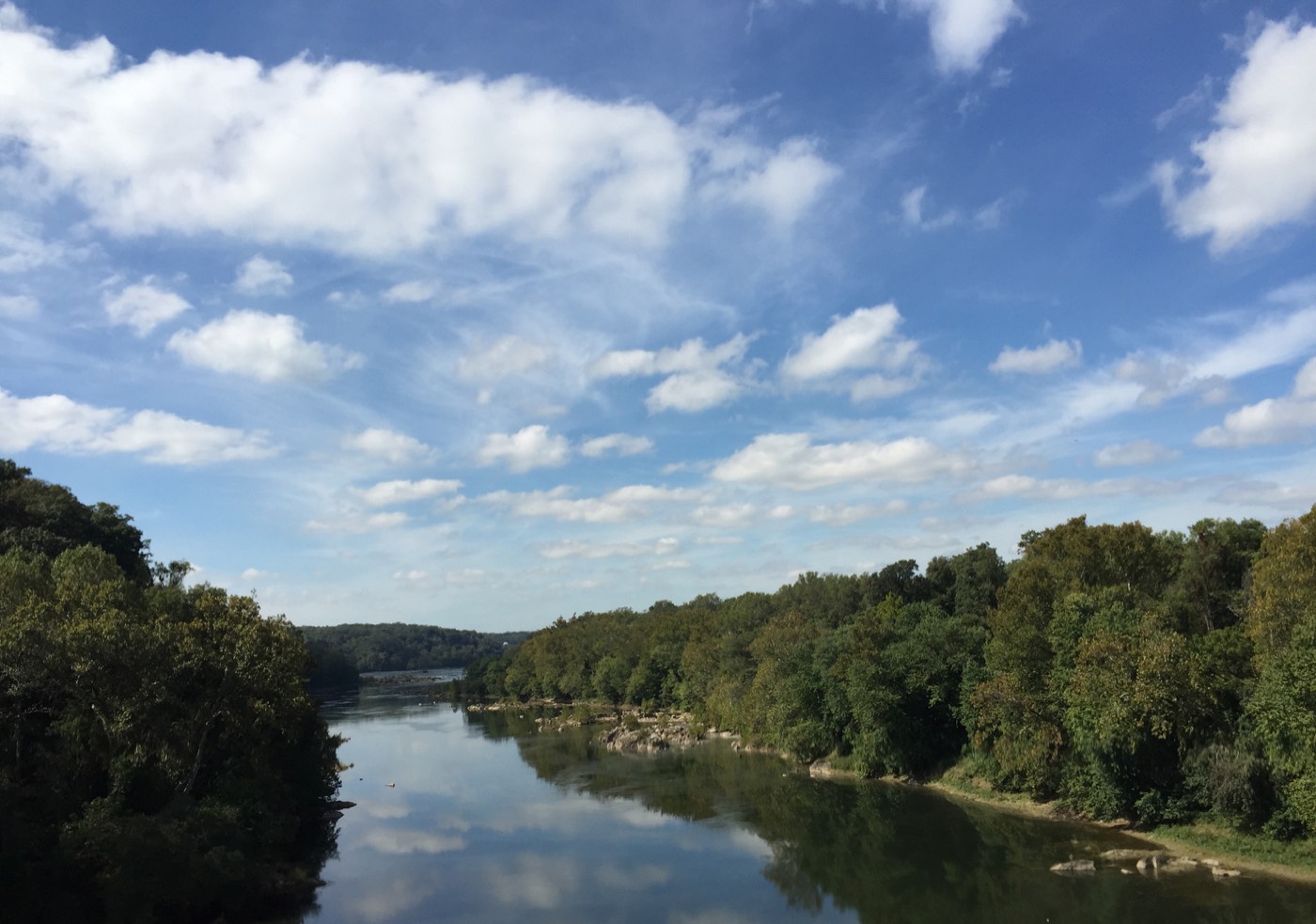
Potomac sits in the southwest corner of Montgomery County, Maryland, a leafy unincorporated community wrapped around the bend of the Potomac River just upstream from Washington. Its centre is Potomac Village, a low cluster of shops where River Road meets Falls Road, and from there the land spreads into wooded estates, bridle paths and cul-de-sacs of brick colonials.
Once a modest farming settlement that grew up beside the Chesapeake and Ohio Canal in the 1830s, Potomac became something else entirely in the postwar decades. By 2013 CNNMoney ranked it the most affluent town in the United States by median household income, and its main zip code, 20854, still ranks among the highest-earning in the nation, a status reflected in the community’s long run near the top of the country’s wealth rankings.
It is the kind of address that draws the people who can choose anywhere. For thousands of Iranian families who left a revolution behind, it became a place to begin again.
How It Became Persian
Before the revolution
There were Iranians in the Washington area long before 1979. Through the 1960s and 1970s the city was a natural landing point: the embassy of the Shah’s government sat on Massachusetts Avenue, students arrived on government scholarships, and a steady current of physicians, engineers and graduate students moved between Tehran and the American capital.
These early arrivals were often individuals rather than families, here for a degree or a posting, many expecting to return. The professional pull was real. The migration of Iranian physicians to the United States was already well underway before the revolution, with roughly 1,600 Iranian doctors in the country by the mid-1970s.
The exodus after 1979
The Islamic Revolution changed the shape of the migration completely. Between the 1970s and the 1980s the Iranian-born population in the United States roughly tripled, and the newcomers were no longer mostly students. They were middle and upper-class families, many of them political exiles, leaving with what they could carry.
Washington drew a particular kind of exile. The capital attracted the educated and the connected: doctors, lawyers, academics, former officials and business owners who valued proximity to government, to the press, and to a community of others who had lost the same country.
Montgomery County, with its excellent schools and its established professional class, became the heart of that settlement on the Maryland side. The county now ranks seventh among American counties for residents born in Iran and ninth for those reporting Iranian ancestry, and Maryland sits sixth among all states for its Iranian population.
Why Potomac
For families who had been comfortable in north Tehran, Potomac made a particular kind of sense. The schools were among the best in the state, the houses were large, and the commute to the hospitals, law firms and federal agencies of Washington was manageable.
The schools mattered most. Winston Churchill High School, which opened in 1964 and serves much of Potomac, ranks in the top one percent of Maryland schools, and roughly a third of its students are now Asian, a category that in this county includes a large share of children from Iranian, South Asian and East Asian families. For parents who had crossed an ocean partly for their children’s education, that was the whole point.
The community also clustered along the Rockville Pike corridor a few minutes north, where Persian groceries, bakeries and law offices gave the diaspora a high street of its own. Potomac was where many of those families slept; the Persians of nearby Rockville were where they shopped, ate and gathered.
A Crown Prince in Travilah
No resident anchored Potomac’s Persian story more than Reza Pahlavi, the eldest son of the last Shah and, to many royalists, the rightful Crown Prince of Iran. He made his home in the Travilah section of Potomac for more than two decades, raising three daughters who attended The Bullis School nearby.
From that quiet estate he kept up a public life as an advocate for a secular, democratic Iran, giving interviews and addressing exile gatherings while living the school-run life of any Potomac parent. He listed the property for sale in 2024, closing a chapter that had made an ordinary Maryland suburb an unlikely seat of a government-in-waiting.
The Landmarks
Yekta Market and Kabob Counter, 1488 Rockville Pike, Rockville. The anchor of Persian life on the pike, Yekta opened in 1979 as a small grocery started by Yadi Dadras with his uncle, and grew into what regulars call the oldest Middle Eastern market in the Washington area. Potomac families drive up for the kabob counter, the barberries and saffron, and the long bins of dried limes and pistachios.
Moby Dick House of Kabob, Bethesda and beyond. Founded by Mike Daryoush, who emigrated from Iran in 1975 and opened a sandwich shop in Bethesda before turning it Persian and adding a clay oven in 1989, Moby Dick took its name from a famous kabobi near the old American Embassy in Tehran. It has since grown into a regional chain with several Montgomery County locations, including one at Cabin John Village near Potomac.
Winston Churchill High School, 11300 Gainsborough Road, Potomac. The public high school that draws so many Iranian families to the 20854 zip code, ranked in the top one percent statewide. For a generation of Persian-American teenagers it has been the place where Farsi at home meets calculus and college applications.
The Bullis School, 10601 Falls Road, Potomac. The private school where Reza Pahlavi’s daughters were educated, a fixture of Potomac’s well-heeled academic landscape and a quiet measure of how thoroughly an exiled royal family folded into suburban Maryland life.
Iran Cultural and Educational Center, Rockville. Founded in 1991 as a non-profit, the centre offers Persian language and culture classes for children and adults, one of the institutions that keeps Farsi alive in the second and third generations of the Maryland diaspora.
Potomac Village, River Road at Falls Road. The low brick crossroads at the centre of the community, where the supermarket, the coffee shops and the wine store sit a short drive from estates that have housed ambassadors and exiles alike. It is the unglamorous hub of one of America’s grandest suburbs.
Great Falls of the Potomac, C&O Canal National Historical Park. The cascade where the Potomac drops through a rocky gorge, a few minutes from Potomac Village along the old canal towpath. It is the weekend walk for half the county, Persian families among them, picnics and tea flasks on the rocks above the water.
Where They Came From
The Persians of Potomac came overwhelmingly from Iran’s cities, and above all from Tehran. Many had lived in the capital’s northern districts, the professional and merchant neighbourhoods, and arrived already fluent in the language of universities and clinics.
They came in waves shaped by politics: the first families fleeing the 1979 revolution, then those leaving the long war with Iraq through the 1980s, then a steadier flow of students and skilled workers in the decades since. Many were Shia Muslims, often secular in practice. But the community also carried Iran’s minorities with it: Jewish families, Baha’is who had faced persecution at home, Armenians and others, so that Potomac’s Persian world has never been a single faith.
What united them was class and education more than creed. Iranian-Americans are among the most highly educated immigrant groups in the country, and in Montgomery County that pattern is sharpened to a point. The same instinct that drew Iranian doctors to American hospitals before the revolution drew their successors to Maryland afterward, part of a national pattern in which Iranian immigrants rank among America’s most educated arrivals.
Potomac Today
Walk Potomac today and the Persian presence is woven in rather than announced. There is no Persian quarter, no strip of signs in Farsi the way there is in the Tehrangeles of Los Angeles. The community lives behind front doors and shows itself at Nowruz tables, at weddings, at the kabob counter on a Friday.
The institutions cluster a short drive north, on and around Rockville Pike, where the markets and language schools and law offices serve a diaspora spread across Montgomery County. Potomac is where many of these families have their homes; the commercial life sits in Rockville and Bethesda, an arrangement that suits a community defined more by profession than by storefront.
The second and third generations are now thoroughly American, Churchill graduates and Bullis alumni who went on to medicine, law and finance. Some keep up their Farsi at the Rockville classes; many do not. Yet the calendar holds. Each March the haft-seen tables still appear, the families still gather, and a suburb built on canal trade and federal salaries marks a new year by the Tehran sky. For comparison, the affluence-and-exile pattern that shaped Potomac echoes the Persians of Beverly Hills and the Persian Jewish community of Great Neck, New York.
Frequently Asked Questions
How many Persians live in Potomac, Maryland?
There is no precise count for Potomac alone, but the Persians in Potomac are part of one of the largest Iranian-American concentrations on the East Coast. Maryland ranks sixth among all states for Iranian population, and Montgomery County, which contains Potomac, ranks seventh nationally for residents born in Iran.
Why did Iranians settle in Potomac?
Families who left Iran after the 1979 revolution were drawn to Potomac by its top-ranked public schools, its large homes, and its short commute to the hospitals, law firms and federal agencies of Washington. Many were doctors, lawyers and professionals who valued the area’s emphasis on education.
Did Reza Pahlavi, the Crown Prince of Iran, live in Potomac?
Yes. Reza Pahlavi, eldest son of the last Shah, lived in the Travilah section of Potomac for more than two decades and raised his daughters there. He listed the property for sale in 2024.
Where do Persians in Potomac shop for Iranian food?
Most drive a few minutes north to the Rockville Pike corridor, where Yekta Market and Kabob Counter, open since 1979, anchors Persian grocery shopping. Moby Dick House of Kabob, with several Montgomery County locations, is the other staple for Persian families.
What religions do Persians in Potomac practise?
The community reflects Iran’s diversity. Many are Shia Muslims, often secular, but Potomac’s Persian world also includes Jewish families, Baha’is who fled persecution in Iran, Armenian Christians and others. Class and education unite the community more than any single faith.
How do Persians in Potomac celebrate Nowruz?
Persian families across Potomac and Montgomery County mark Nowruz, the spring New Year, with the traditional haft-seen table and dishes such as sabzi polo. Larger public Nowruz festivals are held nearby in the Washington region, including one of the area’s biggest in Herndon, Virginia.
If your family’s story passed through Potomac, or any of the places Persians have made home in America, Atlas of Home can trace that journey. From the northern districts of Tehran to the estates of Travilah and the kabob counters of Rockville Pike, to wherever you are now.