
On a warm July evening in Deal, the smell of grilling meat and the low hum of Arabic-inflected conversation drift down Norwood Avenue, past gourmet markets stacked with grape leaves and bulgur. This two-mile strip of the Jersey Shore, with its mansions and its ocean light, is home to one of the most distinctive communities in America: the Syrian Jews in Deal, New Jersey, a tight-knit Sephardic world whose roots run back through Brooklyn to the old quarters of Aleppo and Damascus.
The Place
Deal is a tiny borough in Monmouth County, on the Atlantic coast roughly an hour south of New York City. It was settled in the mid-1660s and named by Thomas Whyte, an English carpenter from the shoreside town of Deal in Kent, who acquired around 500 acres here. The borough was formally incorporated on 7 March 1898.
For most of the twentieth century Deal was a quiet, well-heeled resort, a place of summer estates and ocean breezes. It has stayed extraordinarily expensive. In 2024, Forbes listed Deal as the most expensive ZIP code in New Jersey, with a median home price of around $3.71 million.
The borough is small enough to cross in a few minutes by car, bordered by Allenhurst, Long Branch and Ocean Township. Its permanent population sits under a thousand. In summer, it becomes something else entirely.
How It Became Syrian Jewish
The story of the Syrian Jews in Deal does not begin in Deal at all. It begins in the souks and synagogues of Aleppo and Damascus, and it passes through Brooklyn before it ever reaches the Jersey Shore.
From Aleppo to Ellis Island
The first documented Syrian Jewish arrivals in the United States were Jacob Dwek and Ezra Sitt of Aleppo, who sailed from Liverpool on the Germania on 22 July 1892. They were the vanguard of a larger migration that gathered pace after 1900.
Three pressures pushed Jews out of Ottoman Syria: economic decline as old trade routes withered, the threat of military conscription under the Young Turks, and rising antisemitism. Families from Aleppo, known in the community as Halabis, and from Damascus, known as Shamis, made their way to New York.
They settled first on Manhattan’s Lower East Side, then moved across the river to Brooklyn. There the community took root in Bensonhurst, Midwood, Flatbush and especially the Syrian Jewish heartland of Gravesend, where the construction of Congregation Shaare Zion in 1960 helped shift the centre of Syrian Jewish life along Ocean Parkway.
The Bradley Beach summers
Long before they bought land in Deal, Brooklyn’s Syrian Jews came to the Jersey Shore for the summer. Their first foothold was Bradley Beach, a few miles south, where Sephardic families rented and gathered through the warm months.
A small Sephardic shul was established in Bradley Beach around 1930, and Magen David Congregation opened there for the summer in the early 1940s. For decades, Bradley Beach was the seasonal capital of the community, a place to escape the city heat among neighbours who shared the same prayers, foods and dialect.
Buying into Deal
In the late 1960s, Sephardic families who summered in Bradley Beach began looking north to Deal and its larger homes. They started buying land. By 1973, more than 100 Syrian Jewish families had bought property in the borough, transforming a Protestant old-money resort into the anchor of a new community.
The turning point came in July 1973, when the community opened the Synagogue of Deal, the first synagogue ever built in the borough. It was a modernist, octagonal building designed by the architects Glicksman and Rizzo, with a main sanctuary seating 325 and a smaller chapel for 80, built at a cost of around $700,000.
Upon opening, some 200 families joined the membership rolls. By 1979 that number had grown to 450. The synagogue’s first spiritual leader was Rabbi Morris A. Shmidman, and leadership soon passed to Rabbi Isaac Dwek, who had emigrated from Syria with his family in 1960 at the age of 13.
From summer colony to year-round community
What began as a summer escape gradually became a permanent home. Through the 1980s and 1990s, more families bought in Deal and the surrounding towns of West End, Elberon and Oakhurst, and many shifted from seasonal to year-round residence. The pattern echoes other Sephardic and Israeli enclaves that took root in suburban New Jersey, from the Israeli families who settled in Tenafly to the older immigrant neighbourhoods of Italian Bloomfield and Pakistani Edison.
The growth was striking. By the 2000 census, 16.4 per cent of Deal residents identified as being of Syrian heritage, the highest share of Syrian Americans of any municipality in the country. Today roughly 80 per cent of Deal’s Jewish population is Sephardic, and the year-round population swells more than tenfold to over 6,000 in the summer.
That seasonal rhythm still defines the place. The Syrian Jews of Deal kept Brooklyn close. Many families hold homes in both Gravesend and Deal, moving south for the summer and the High Holidays, just as their grandparents once moved between the city heat and the Bradley Beach shore.
The Landmarks
Synagogue of Deal, 128 Norwood Avenue. The first synagogue built in the borough, opened in July 1973 and still led by Rabbi Isaac Dwek. At its dedication the congregation received three antique Persian Torah scrolls, estimated to be around 200 years old. Its octagonal form remains a quiet landmark of the community’s arrival.
Ouri’s Market, 266 Norwood Avenue. A kosher gourmet market that functions as a daily meeting point as much as a grocery, stocking superior produce, pantry staples, fresh salads, and coffee and ice cream stations. On a summer afternoon it is one of the busiest spots in Deal.
Kings Highway Glatt, 250 Norwood Avenue. A kosher market specialising in the foods of the Syrian table: frozen and ready-to-eat mehshi, kibbeh and lachmagine, the small minced-meat pies that anchor a Halabi kitchen. It is a direct culinary line back to Aleppo.
Deal Sephardic Network, 244 Norwood Avenue, Oakhurst. Known as the DSN, this community centre established a major hub in 2007. It runs fitness and sports leagues, summer camps and a beach club, and houses kosher restaurants including TEVA, an Italian fine-dining room, and Outpost Sushi.
Hillel Yeshiva, 1025 Deal Road, Ocean. One of the religious schools that grew up around the community, serving Sephardic families across Deal and the neighbouring towns. Its presence helped turn a summer colony into a place families could raise children year round.
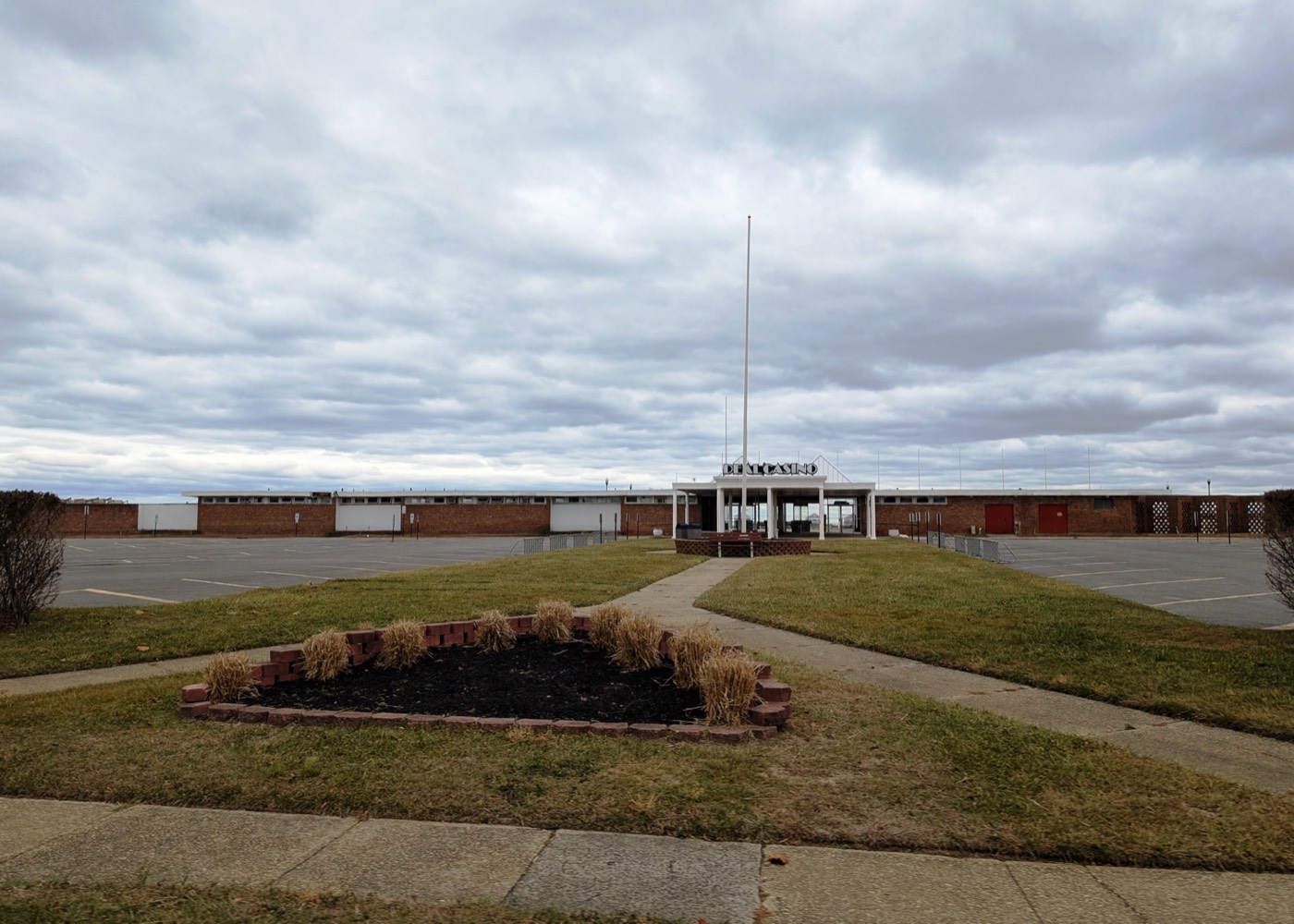
Deal Casino Beach Club. The borough’s landmark oceanfront club, with an Olympic-size pool and ocean bathing, set on the Atlantic shore the community came for in the first place. The beach remains the centre of summer life, the reason Brooklyn families first looked south.
Primavera Restaurant and Bar, 118 Norwood Avenue. A dairy restaurant on the avenue serving Mediterranean appetisers, pastas and artisanal pizzas, part of the dense cluster of kosher dining that now lines Deal’s main commercial strip.
Where They Came From
The Syrian Jews of Deal trace their families to two cities: Aleppo, in the north, and Damascus, the capital. Aleppo, in particular, holds an almost mythic place in the community’s memory, an ancient centre of Jewish learning and one of the great kitchens of the Sephardic world.
That heritage survives most vividly at the table. Signature dishes such as laham b’ajeen, the miniature minced-meat pies, yebra, grape leaves stuffed with meat and rice, and kibbeh, stuffed bulgur shells, are still made the same way in Deal as they were in Aleppo. Aleppo was once called the queen of the mehshi, the stuffed vegetables, and that title travels with the recipes.
The community guards its traditions closely. Across the Syrian Jewish world there are no Conservative or Reform congregations affiliated with the community, only Orthodox ones, and the cohesion that kept the community intact through migration is one reason Deal feels so concentrated. When Aleppo’s Jews scattered, the communities they founded stayed remarkably whole.
Deal Today
Deal today is unmistakably a Syrian Jewish town for much of the year, and overwhelmingly so in summer. Norwood Avenue is lined with kosher markets, restaurants and gelato shops, several opened within the last few years to serve a growing population. New venues like the kosher gelato shop Créme, which opened on the avenue in May, signal a community still expanding rather than fading.
The borough now counts roughly half a dozen synagogues, among them the Edmond J. Safra Synagogue, Magen David of West Deal, Ohel Yaacob and Ohel Simha, alongside the original Synagogue of Deal. Together with the religious schools and the Deal Sephardic Network, they form a self-sustaining world within a single small borough.
It is also a community that has known scrutiny. Deal drew national attention in 2009 when a federal corruption investigation swept up figures connected to the area, a difficult chapter that residents have long since moved past. What endures is the everyday texture: the summer crowds, the family homes shared between Brooklyn and the shore, the smell of Syrian cooking on a Friday afternoon, and a community that has held its shape across an ocean and more than a century.
Frequently Asked Questions
Why do Syrian Jews live in Deal, New Jersey?
The Syrian Jews in Deal, New Jersey descend from families who summered at the nearby Jersey Shore from Brooklyn. In the late 1960s they began buying larger homes in Deal, and by 1973 more than 100 families had settled, building the Synagogue of Deal and turning a summer colony into a permanent community.
What percentage of Deal is Jewish?
Roughly 80 per cent of Deal’s Jewish population is Sephardic, mainly of Syrian origin. In the 2000 census, 16.4 per cent of all Deal residents identified as being of Syrian heritage, the highest share of any municipality in the United States.
Where did the Syrian Jews of Deal originally come from?
They trace their roots to the Syrian cities of Aleppo and Damascus, known in the community as Halabis and Shamis. Their ancestors immigrated to New York around the turn of the twentieth century, settled in Brooklyn neighbourhoods such as Gravesend, and later moved to the Jersey Shore.
What was the first synagogue in Deal?
The Synagogue of Deal, at 128 Norwood Avenue, was the first synagogue built in the borough. It opened in July 1973, designed as a modernist octagonal building seating 325, and it remains a landmark of the Syrian Jewish community in Deal, New Jersey.
Why does Deal’s population grow so much in summer?
Deal began as a summer destination, and many Syrian Jewish families keep homes both in Brooklyn and at the shore. The year-round population of under a thousand swells more than tenfold to over 6,000 during the summer months.
What kind of food is associated with the Deal Syrian Jewish community?
The community cooks the Sephardic cuisine of Aleppo and Damascus, including laham b’ajeen meat pies, yebra stuffed grape leaves and kibbeh. Norwood Avenue markets such as Ouri’s and Kings Highway Glatt stock these specialities for the community.
If your family’s story passed through Deal, or any of the places Syrian Jews have made home in America, Atlas of Home can trace that journey. From the souks of Aleppo to a summer house on the Jersey Shore, to wherever you are now.